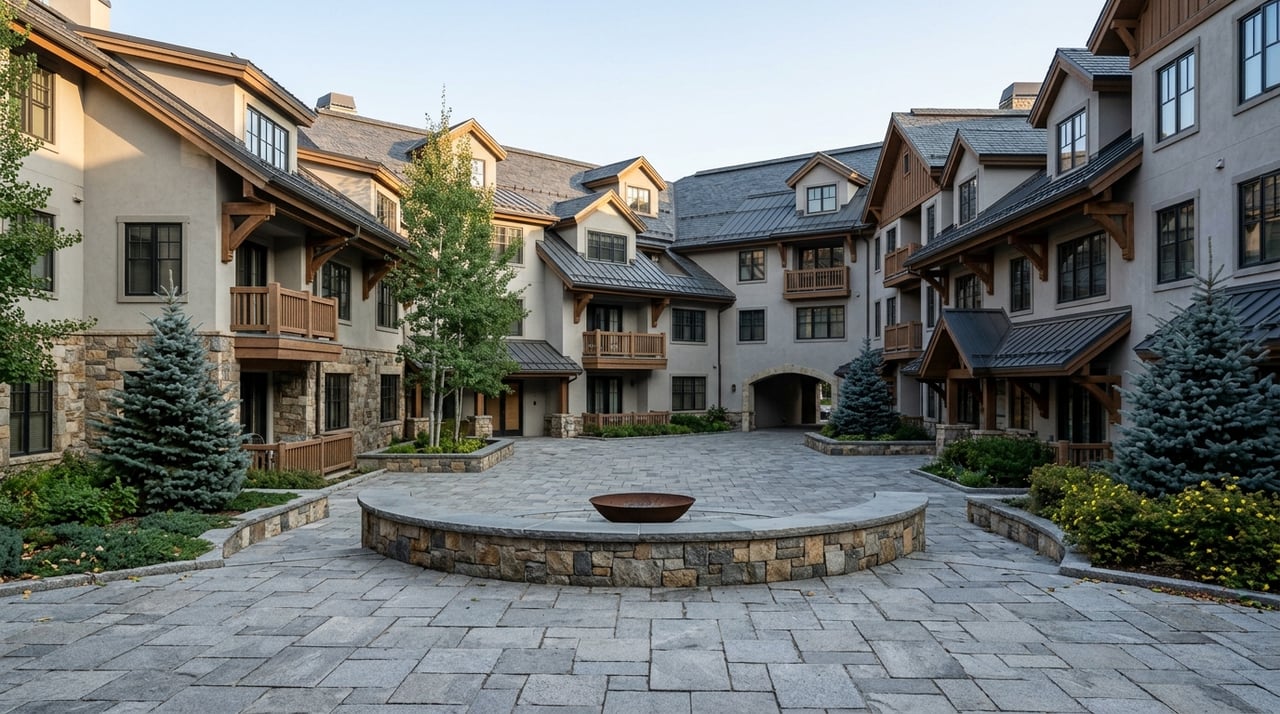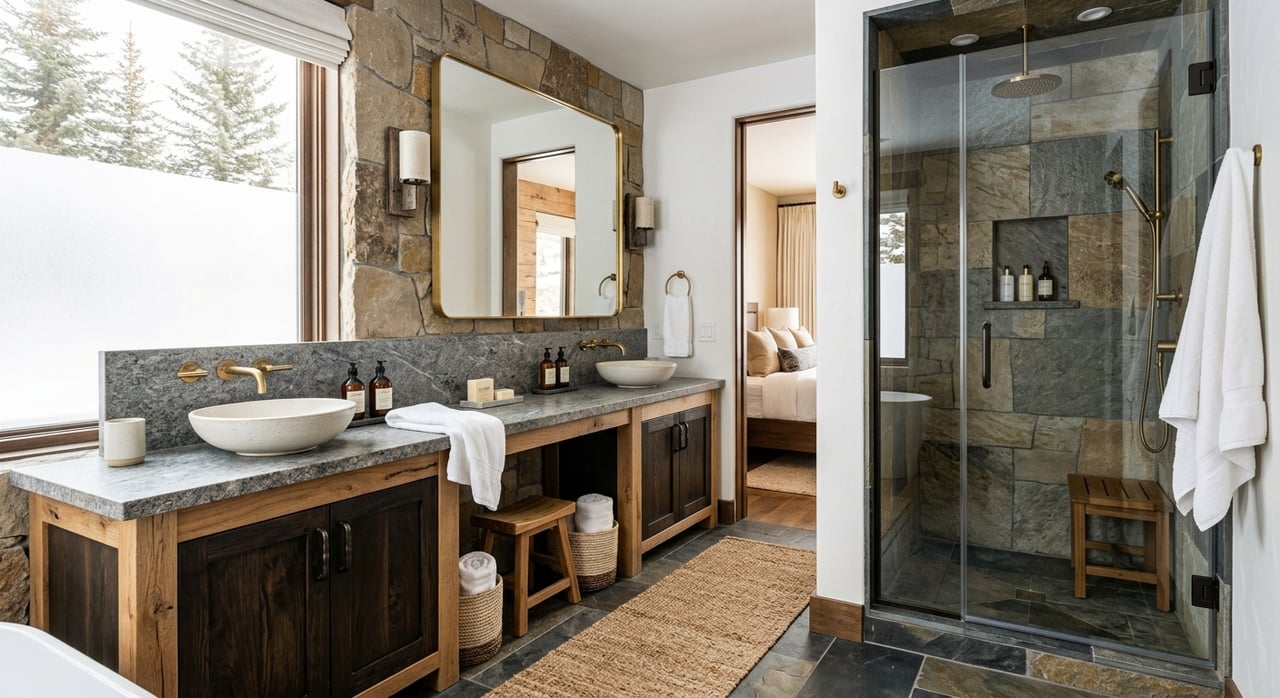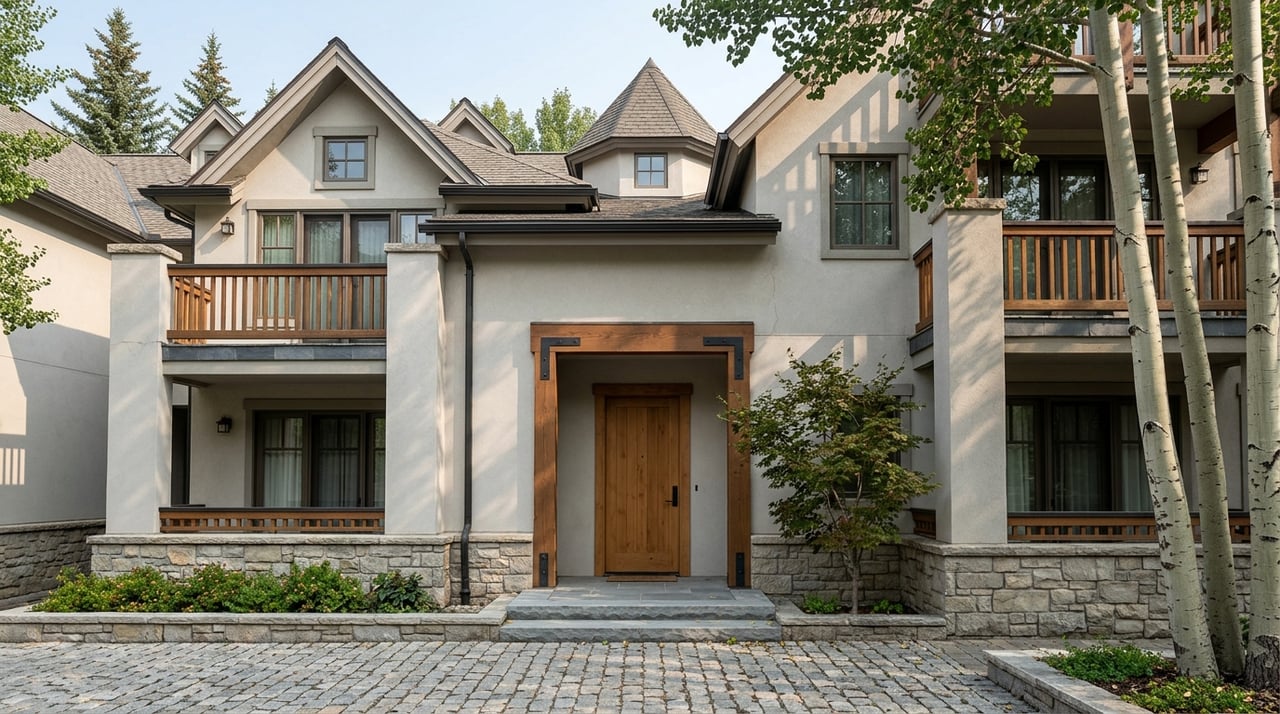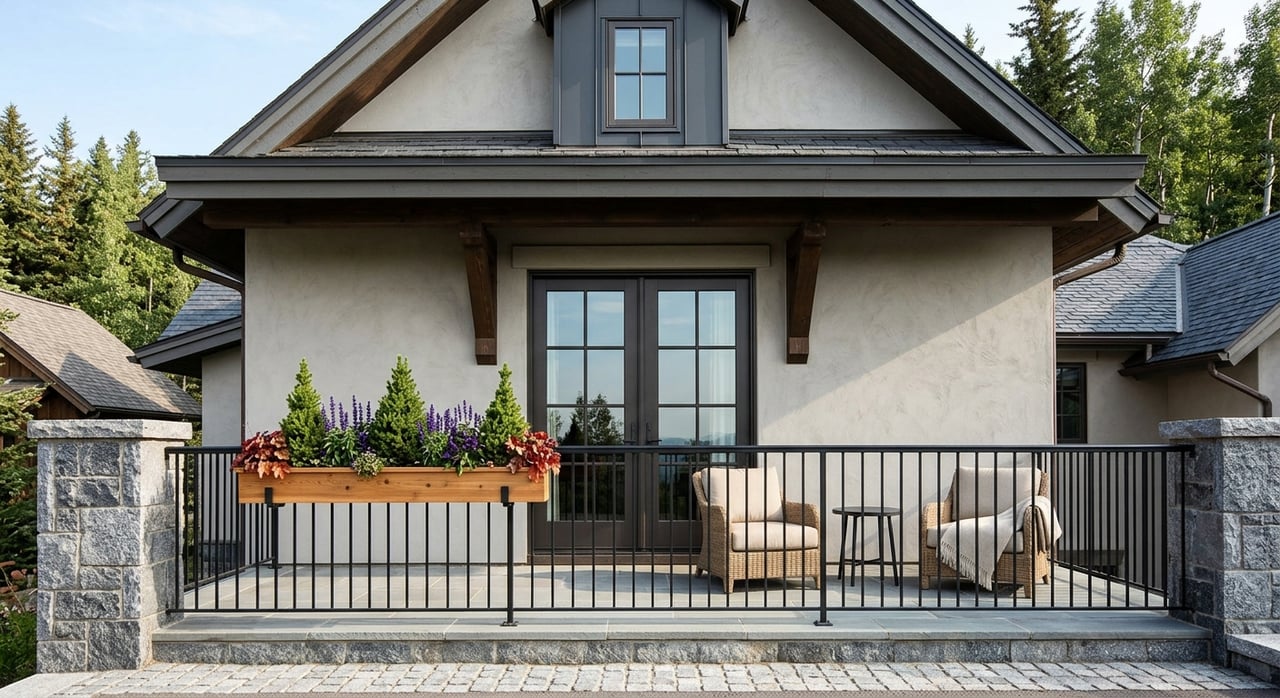
Selling in Vail Village is not just about listing at the right price. In a resort market where buyers often shop online first and compare every detail, your home’s condition, presentation, and timing can shape the outcome. If you want to sell well, the goal is to reduce buyer uncertainty and help your property make a strong first impression from day one. Let’s dive in.
Why preparation matters in Vail Village
Vail Village is a high-value market, but it is not always a fast one. In ZIP code 81657, Redfin reported a median sale price of $2.35 million in February 2026, with a median of 106 days on market and a 95.5% sale-to-list ratio. That tells you preparation matters because buyers have time to compare options and negotiate.
That local pace also lines up with broader seller priorities. The National Association of Realtors found that sellers place high importance on marketing the home, pricing competitively, and selling within a specific timeframe. In Vail Village, those goals work best when your home is fully prepared before it hits the market.
Start with a pre-listing inspection
A pre-sale inspection is not required, but it can help you uncover issues before a buyer does. According to the NAR seller guide, inspections may review the structure, exterior, roof, plumbing, electrical systems, heating and air conditioning, interiors, ventilation and insulation, and fireplaces. Optional testing may also include mold, radon gas, lead paint, and asbestos.
This step can give you more control over the sale. If the inspection reveals a significant issue, you can decide whether to repair it, price around it, or prepare estimates before negotiations begin. NAR also recommends gathering warranties, guarantees, and user manuals for systems and appliances that will stay with the property.
Focus on mountain-climate trouble spots
Vail Village’s climate makes some areas especially important. The Town of Vail places the International Bridge in Vail Village at 8,150 feet above sea level, and NOAA’s Vail station sits at 8,304 feet. NOAA’s 1991 to 2020 normals show 189.2 inches of average annual snowfall, including 35.3 inches in January, 35.7 inches in February, 28.2 inches in March, and 21.2 inches in April.
In practical terms, buyers are likely to pay close attention to elements that affect comfort and maintenance in a high-snow environment. Before listing, it is smart to review items such as:
- Roof condition
- Snow and ice management
- Water intrusion around windows and doors
- Deck and exterior wear
- Heating performance
- Fireplace service history
These are the kinds of issues buyers may notice quickly during showings, inspections, or disclosure review.
Repair what buyers see and feel first
Not every item needs a full renovation. In many cases, the best return comes from fixing the issues that make a home feel less cared for or harder to maintain. In a luxury resort setting, buyers often expect a polished experience, especially when they may be purchasing from out of town.
Start with the basics that affect confidence. If a window sticks, a door seal leaks air, a fireplace has not been serviced, or a deck shows visible wear, those details can raise larger questions in a buyer’s mind. Addressing them early can make the property feel more move-in ready and easier to trust.
Create a repair triage list
As you prepare to sell, divide your to-do list into three buckets:
- Must-fix items: active leaks, safety concerns, major system problems, or inspection issues
- Should-fix items: visible wear, deferred maintenance, broken hardware, scuffed finishes, and lighting issues
- Nice-to-fix items: minor upgrades that improve style but are not essential to buyer confidence
This approach helps you spend where it counts most instead of over-improving without a clear payoff.
Clean, declutter, and refresh key spaces
Simple cosmetic improvements can have an outsized effect on listing photos and in-person showings. The NAR seller guide recommends cleaning windows, carpets, lighting fixtures, and walls, removing clutter, and improving curb appeal through landscaping, the front entrance, and paint. These steps can improve how the home appears in photos, which matters because many buyers start their search online.
In Vail Village, this often means creating a clean, refined look that highlights architecture, natural light, and comfort. You want buyers to notice the home itself, not your extra gear, personal items, or storage overflow. A tidy, well-edited interior helps the property feel larger, calmer, and better maintained.
Prioritize the entry and living areas
In a resort home, the first few spaces can shape the entire showing. A polished entry or mudroom, an inviting living room, and a clean, functional kitchen can immediately communicate ease and lifestyle. If your home has ski storage, outdoor access, or a fireplace gathering area, those features should look intentional and easy to use.
Keep surfaces clear and furniture arranged to support flow. If possible, open up sight lines toward windows, decks, and mountain views. Buyers do not just buy square footage in Vail Village. They also respond to how the home lives.
Stage for both photos and showings
Staging is more than decoration. It helps buyers picture how they would use the space, which can affect both interest and offers. In NAR’s 2025 staging report, 83% of buyers’ agents said staging made it easier for buyers to visualize the property as a future home, 29% said it led to a 1% to 10% increase in the dollar value offered, and 49% of sellers’ agents observed reduced time on market.
The same report found the most commonly staged rooms were the living room, primary bedroom, dining room, and kitchen. Those areas deserve the most attention because they often carry the strongest emotional and visual impact.
Tell a clear resort-lifestyle story
In Vail Village, staging should support the way buyers imagine using a mountain property. That does not mean adding clutter or going too thematic. It means presenting spaces in a way that feels effortless, comfortable, and appropriate for the setting.
A few staging priorities may include:
- Clear view corridors toward windows and outdoor spaces
- Comfortable fireplace seating
- A neat, functional mudroom or ski-drop zone
- Fresh bedding and simple primary suite styling
- Decks or patios that still look usable and appealing
The goal is to help buyers picture arrival, relaxation, and easy ownership.
Build a strong online first impression
Your listing will likely be seen online before a buyer ever walks through the door. According to NAR’s 2025 buyer trends report, buyers who used the internet rated photos as very useful at 83%, detailed information at 79%, floor plans at 57%, and virtual tours at 41%. The same report found that 51% found the home they bought through the internet.
That makes pre-list preparation directly tied to marketing performance. If your home is clean, repaired, and staged before photography, the final listing can communicate quality much more effectively. In a luxury market, strong visuals and complete information are not optional. They are part of the selling strategy.
Prepare for the photo day
Before professional photography, focus on details that show up clearly in images:
- Clean windows and mirrors
- Replace burned-out bulbs
- Remove countertop clutter
- Hide cords, remotes, and personal items
- Straighten bedding, towels, and chairs
- Clear decks, entries, and exterior walkways
These small steps can help your home look brighter, more spacious, and more polished online.
Choose timing that matches your home
Vail is a true four-season market, and that gives you options. Visit Vail Valley highlights year-round draws such as Bravo! Vail, Vail Dance Festival, the GoPro Mountain Games, the Farmers’ Market & Art Show, and Oktoberfest. The Town of Vail Local Marketing District also points to winter, summer, and fall as target periods for revenue growth.
That means your best listing window may depend on what your specific property does best. Some homes shine when snow is on the ground and ski access or winter views are front and center. Others show better in late spring or summer, when decks, outdoor living, landscaping, and mountain light become part of the experience.
Preparation matters more than rushing
Even if a season seems ideal, timing alone will not solve pricing or condition issues. With 81657 market data showing 106 median days on market in February 2026, a fully prepared launch is often more effective than listing quickly with unfinished details. The right season can support your sale, but it should not replace solid preparation.
A thoughtful strategy usually comes down to this: launch when your property looks its best and when your marketing can fully support it.
Think of preparation as pricing support
In Vail Village, preparation is not separate from pricing strategy. It supports it. A home that feels well maintained, visually polished, and easy to understand can help reduce hesitation and make your asking price feel more justified.
That is especially important in a market where buyers have access to detailed online information and often compare several high-value options at once. When you inspect early, handle visible repairs, stage the main living spaces, and choose timing carefully, you put your home in a stronger position to compete.
If you are preparing to sell in Vail Village, working with a local advisor can help you focus on the updates and launch strategy that matter most. Jeff McAbee offers high-touch, market-focused guidance for sellers throughout the Vail Valley, with boutique service and polished marketing designed for resort properties.
FAQs
What should you fix before selling a Vail Village home?
- Focus first on issues buyers notice quickly, such as roof condition, window and door seals, heating performance, fireplace service history, deck wear, and any signs of water intrusion.
Is a pre-listing inspection worth it for a Vail Village property?
- A pre-listing inspection can help you identify structure, roof, plumbing, electrical, HVAC, interior, insulation, ventilation, and fireplace issues before a buyer raises them.
Does staging help sell a Vail Village home?
- Yes. NAR reported that staging helps buyers visualize a property, can increase offer value, and may reduce time on market.
When is the best time to list a home in Vail Village?
- The best time depends on whether your home shows best in winter conditions or during the warmer months when decks, views, and outdoor spaces stand out.
Why do listing photos matter so much for Vail Village sellers?
- NAR found that buyers rate photos as one of the most useful parts of an online home search, so your home’s condition and presentation before photography can directly affect buyer interest.