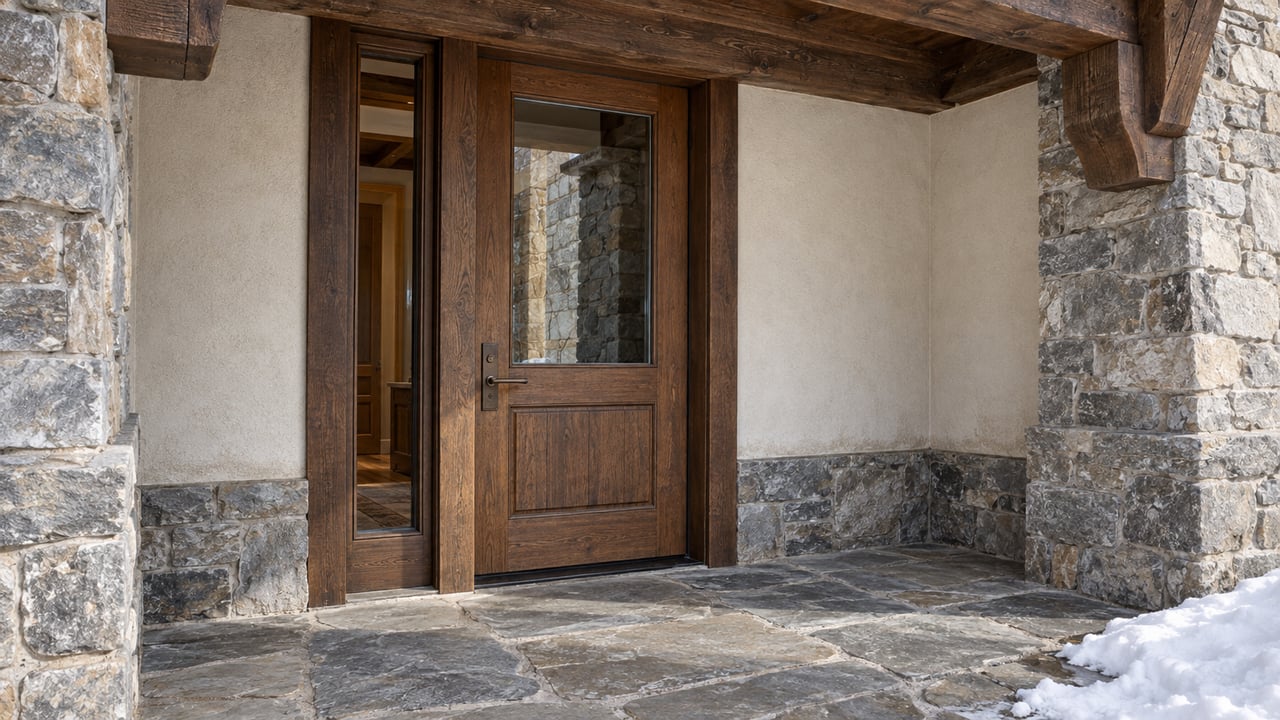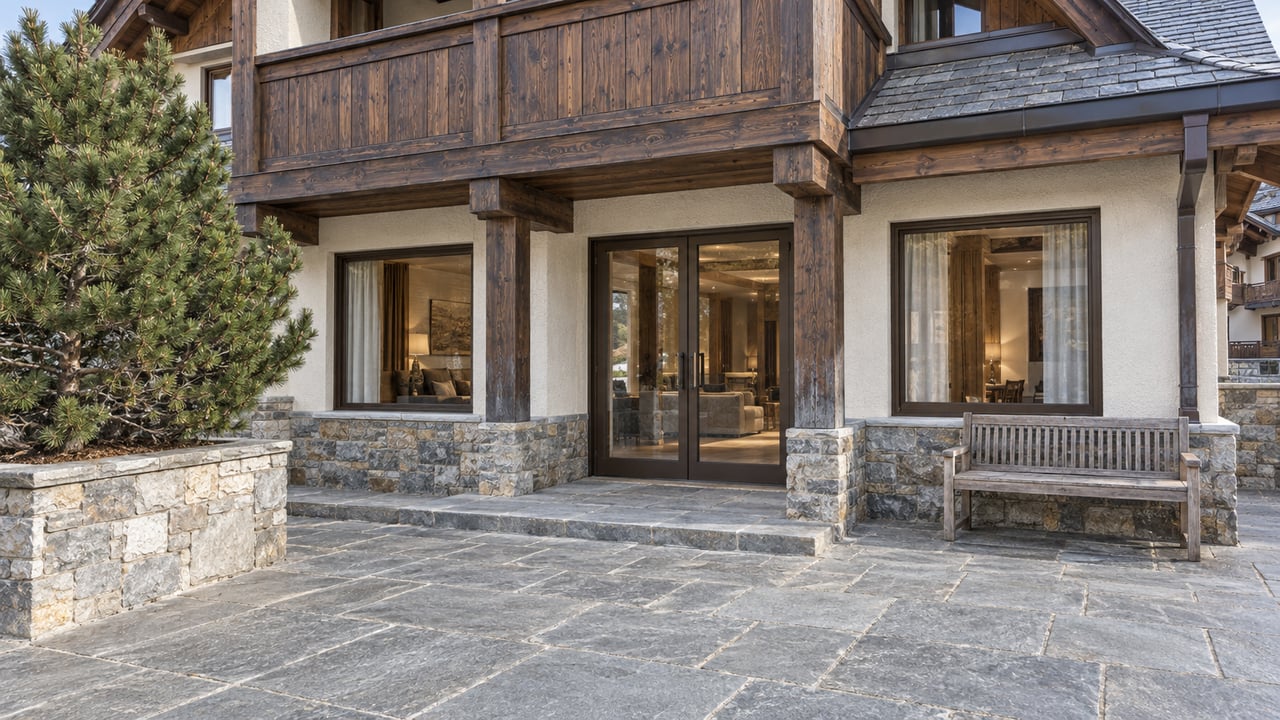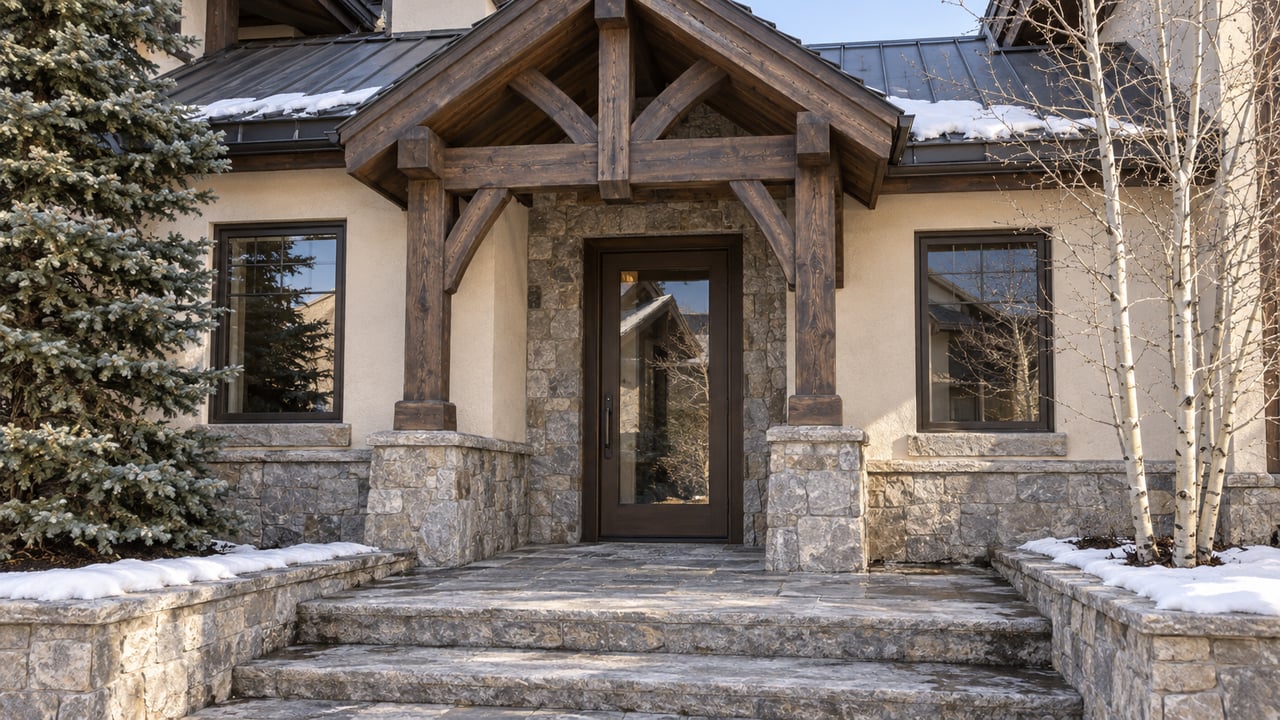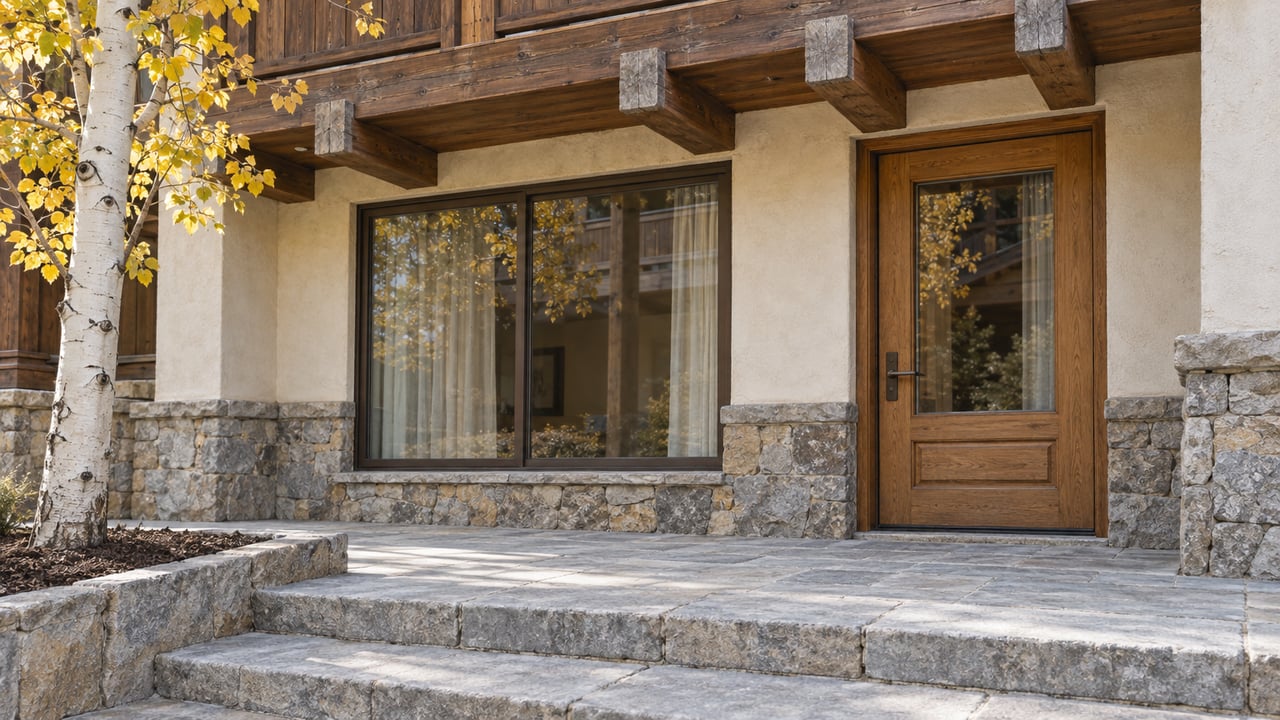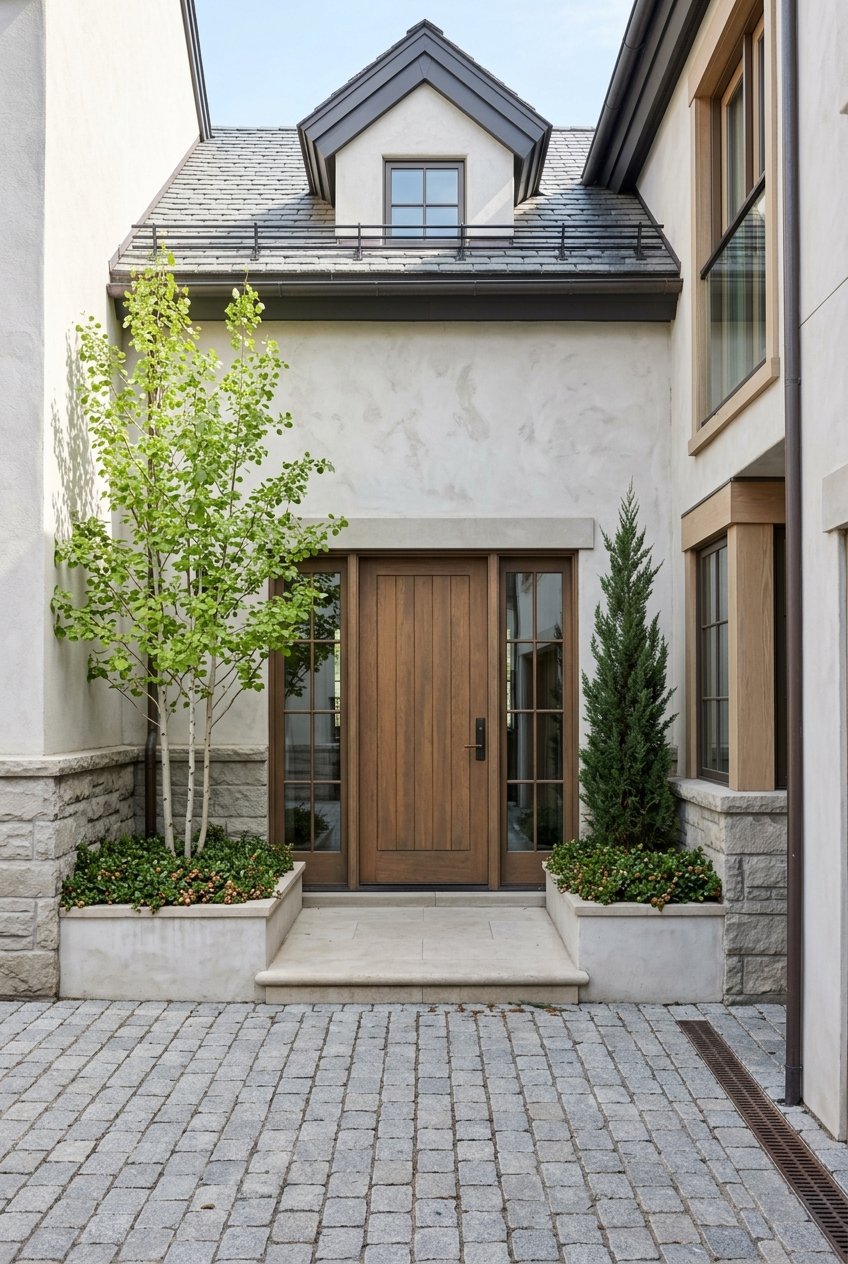
Wondering why so many homes in Vail Village feel instantly recognizable, even when their interiors look completely different? That is not an accident. Vail Village has been shaped by long-standing design goals that preserve its alpine character while allowing thoughtful updates, and understanding those patterns can help you read listings more clearly and buy with more confidence. If you are comparing condos, townhomes, or village residences, this guide will help you spot the styles, features, and design cues that matter most. Let’s dive in.
Why Vail Village Has a Distinct Look
Vail Village was planned to feel like more than a cluster of buildings. Town planning documents emphasize a pedestrian-focused village experience, with public spaces, cobblestone streets, and architecture that supports a cohesive alpine setting.
That is why the village core does not feel random. The Town of Vail’s planning framework and Design Review Board place a strong focus on architectural character, site planning, materials, building details, and landscaping so redevelopment stays compatible with the broader village identity.
In simple terms, Vail Village is meant to keep a Tyrolean or alpine feel while still evolving over time. For you as a buyer or seller, that means design style is not just aesthetic. It also helps explain why certain homes look, live, and present differently in the market.
Classic Tyrolean and Alpine Chalet Style
When most people picture Vail Village, they are usually picturing the classic Tyrolean or alpine chalet style. This is the visual language most closely tied to the village’s history and the look many buyers expect in the core area.
You will often see features like sloping roofs, dormers, balconies, porches, and upper floors that step back from the street. Facades are usually more articulated than flat, which helps buildings feel detailed and pedestrian-scaled rather than oversized.
This style works especially well in a walkable village setting. It creates warmth, texture, and a sense of rhythm along the street, which is a big part of why Vail Village feels so memorable.
Exterior Features to Watch For
If you are scanning listings or touring homes, these details often point to a classic alpine look:
- Steep or sloping roof forms
- Dormers and layered rooflines
- Balconies and covered porches
- Timber or wood-accent detailing
- Facades with depth and variation
- Buildings that hold a strong street edge without feeling bulky
Not every home will check every box. Still, the more of these features you see, the more likely you are looking at a property rooted in Vail’s traditional design vocabulary.
Mountain Contemporary and Mountain Modern Style
Vail Village is not frozen in time. Town planning language recognizes both the historic Tyrolean style and a mountain contemporary direction that reflects more modern design preferences.
In practical terms, mountain contemporary or mountain modern homes tend to look cleaner and more restrained. You may see larger expanses of glass, simpler lines, and a material palette that mixes wood, stone, steel, and neutral finishes.
Inside, these homes often feel more open. Great rooms, cathedral ceilings, and stronger indoor-outdoor connections are common, especially in renovated condos and newer luxury residences that aim for a lighter, less decorative feel.
Common Mountain Modern Signals
Mountain modern homes in Vail Village often include:
- Clean-lined architecture
- Glass-forward design
- Open floor plans
- Larger gathering spaces or great rooms
- Neutral color palettes
- Wood and stone paired with steel or dark metal accents
For many buyers, this style offers a more turnkey and updated feel. It can be especially appealing if you want a village location with a fresher interior layout and less compartmentalized living space.
Where Vail Village Styles Overlap
One of the most important things to know is that many Vail Village homes are blends, not pure examples of one style. A home may have a classic chalet exterior but a fully updated interior with open living spaces, cleaner finishes, and larger panes of glass.
The reverse can also happen. A more contemporary condo may still include a stone fireplace, timber accents, or traditional materials that soften the modern lines and keep the home connected to the mountain setting.
This blend reflects how Vail Village has evolved. The town has consistently worked to preserve character while allowing controlled reinvention, so mixed-style homes are common and often very appealing.
Townhomes, Condos, and Mixed-Use Buildings
Not all Vail Village properties present the same way from the street. Some buildings feel distinctly chalet-like, while others feel more urban because they are designed to frame plazas, pedestrian corridors, or mixed-use areas.
Town planning documents also describe row-style townhouse forms in certain areas, where individual units should read clearly from the ground to the roof. That gives some residences a more residential rhythm and identity, even when they sit close together.
For you as a buyer, this matters because building form affects more than curb appeal. It can shape privacy, light, entry experience, storage layout, and how the property functions for weekend use, second-home ownership, or full-time living.
How Building Form Can Affect Daily Use
When comparing village homes, pay attention to:
- Whether the property feels like an individual residence or part of a larger lodging-style building
- How the building meets the street or plaza
- Whether the massing steps back or rises more vertically
- How clearly the unit’s entry and layout are defined
- Whether parking and storage feel integrated into the design
These details can help you tell the difference between a charming village-core condo, a more private townhouse-style residence, and a larger mixed-use building with a different lifestyle feel.
Interior Design You Are Likely to See
Inside Vail Village homes, most interiors fall somewhere between warm traditional alpine and mountain modern. The language changes, but the materials often stay rooted in the same mountain palette.
Traditional alpine interiors usually center on warmth and texture. You may see fireplaces as a focal point, timber detailing, wood planking, reclaimed wood cabinetry or paneling, white plaster, and layered finishes that create a cozy and tactile feel.
Mountain modern interiors tend to open things up. They often rely on natural materials, neutral tones, organic stone, black-framed glass, and a mix of smooth and rough textures that feel clean but still warm.
Traditional Alpine Interior Clues
Look for these signs of a more classic interior style:
- A fireplace as the visual anchor
- Heavy use of wood or timber detailing
- Traditional window patterns
- Reclaimed wood finishes
- White plaster walls
- More layered or decorative textures
Mountain Modern Interior Clues
Look for these signs of a more contemporary interior style:
- Open-concept living areas
- Fewer visual barriers between kitchen, dining, and living space
- Large windows or stronger view orientation
- Neutral palettes with restrained contrast
- Stone, wood, and metal used in simpler combinations
- Smooth surfaces mixed with organic textures
Terms That Help You Read Listings Faster
If you are shopping in Vail Village, a few key design terms can help you quickly understand what a listing is trying to communicate. These words often point to both style and layout expectations.
Here are some of the most useful ones:
- Tyrolean: Traditional Vail-style architecture tied to the village’s original character
- Alpine chalet: A classic mountain-resort look with sloped roofs, balconies, and warm detailing
- Swiss chalet: Similar to alpine style, often emphasizing traditional European-inspired forms
- Mountain modern: Clean-lined, updated design with open interiors and more glass
- Mountain contemporary: A broad term that usually signals modernized mountain design
- Row-style townhouse: Attached homes that still read as individual units
- Stepped-back massing: Upper floors set back to reduce visual bulk
- Articulated facade: A front exterior with variation, depth, and detail rather than a flat surface
- Great room: A larger open living area that combines main gathering functions
Knowing this vocabulary can make your search more efficient. It can also help you ask better questions during showings.
What Buyers Should Notice During Tours
Photos can tell part of the story, but Vail Village homes often reveal their real character in person. Two properties with similar square footage can feel very different based on layout, materials, and how the building meets the street or surrounding public space.
As you walk through a home, try to focus on both style and function. A beautiful exterior matters, but so do the day-to-day details that shape how the property will live.
Smart Questions to Ask
During a showing, consider asking yourself:
- Is this home more original in style or more recently renovated?
- Does the interior lean traditional alpine, mountain modern, or a blend?
- How much wood, stone, plaster, or glass is used throughout the space?
- Does the floor plan suit short stays, extended visits, or full-time living?
- Do parking, storage, and ski-related features feel built in or added later?
These questions can help you look past surface finishes and understand how well a property aligns with your goals.
Why Design Style Matters for Buyers and Sellers
For buyers, architecture and design style shape both lifestyle and expectations. If you want classic village charm, you may be drawn to homes with traditional rooflines, balconies, and cozier interiors. If you prefer a more turnkey experience, a mountain modern renovation may feel like a better fit.
For sellers, style affects positioning. Understanding whether your home reads as classic alpine, updated mountain contemporary, or a thoughtful hybrid can help frame its value and attract the right audience.
That is where local market knowledge matters. In a place like Vail Village, subtle differences in architecture, building form, and interior design can influence how buyers perceive a property from the first photo to the final walk-through.
If you are considering a purchase, sale, or valuation in Vail Village, working with an advisor who understands these design patterns can make the process clearer and more strategic. To schedule a consultation, connect with Jeff McAbee.
FAQs
What architectural style is most common in Vail Village homes?
- The most recognizable style in Vail Village is the Tyrolean or alpine chalet look, with sloping roofs, dormers, balconies, and pedestrian-scaled building forms.
What does mountain modern mean in Vail Village real estate?
- In Vail Village, mountain modern usually refers to cleaner-lined homes with more glass, open interiors, neutral finishes, and a mix of wood, stone, and metal.
How can buyers tell if a Vail Village home is traditional or renovated?
- Buyers can compare the exterior and interior together, since many homes have classic alpine exteriors but updated interiors with open floor plans, great rooms, and more contemporary materials.
What design features should buyers look for in Vail Village condos and townhomes?
- Buyers should pay attention to rooflines, facade detail, building scale, layout, storage, parking integration, and whether the property feels like an individual residence or part of a larger mixed-use building.
Why do Vail Village buildings look cohesive?
- Vail Village has long-standing planning and design review standards that aim to preserve alpine character, pedestrian scale, and compatibility across redevelopment.
How can sellers use architecture and design style to market a Vail Village home?
- Sellers can position a property more effectively by clearly identifying whether it offers classic alpine charm, mountain modern updates, or a blend of both that matches current buyer preferences.