Trying to choose between Beaver Creek and Vail Village for your second home? You are not alone. Both offer world-class skiing and four-season fun, but they feel different on the ground and work differently for owners. In this guide, you will compare access, property types, HOA and service models, dining and recreation, and short-term rental rules so you can buy with clarity. Let’s dive in.
Access and transportation
Getting here is straightforward from two airports. The closest is Eagle County Regional Airport, with typical drives of about 20 to 30 minutes to Beaver Creek and 30 to 45 minutes to Vail Village depending on conditions. You can review flight and ground details on the Eagle County Regional Airport site. Many owners also use Denver International for broader routes, with a roughly 2 to 2.5-hour drive in good weather.
I‑70 is the main corridor. Winter weather, chain laws, and holiday traffic can add time. Check real-time conditions and travel alerts with the Colorado Department of Transportation before you head out.
Local shuttles and buses operate in both areas. Vail and Beaver Creek each run in-village shuttles, and there are airport transfers that serve both resorts. For route details, visit the Town of Vail transportation pages and Beaver Creek resort transportation information.
Walkability and parking differ. Vail Village is highly walkable and many buyers prize being steps from lifts, shops, and dining. Parking demand in Vail Village is higher and can be expensive; some buildings include underground spaces, but supply varies. Beaver Creek was planned with pedestrian streets and guest services in mind, with on-site parking structures and common use of drop-off and valet. Many higher-end Beaver Creek residences include reserved parking.
What you can buy
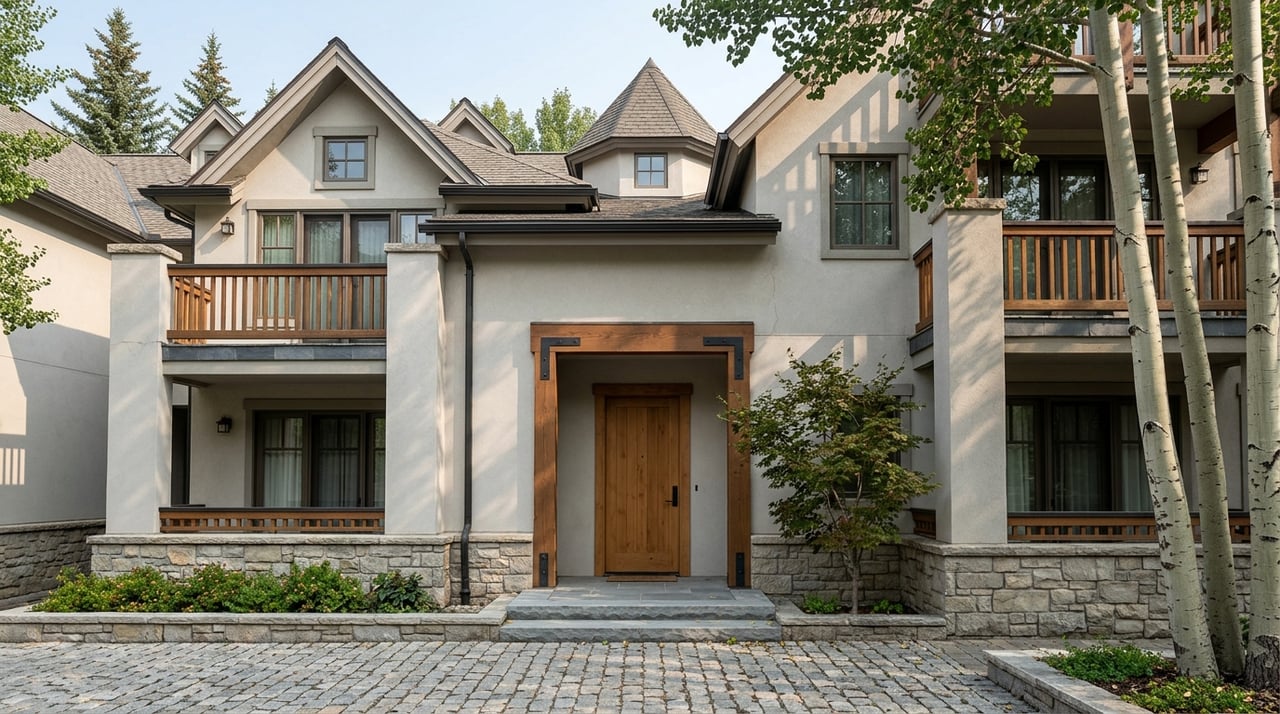
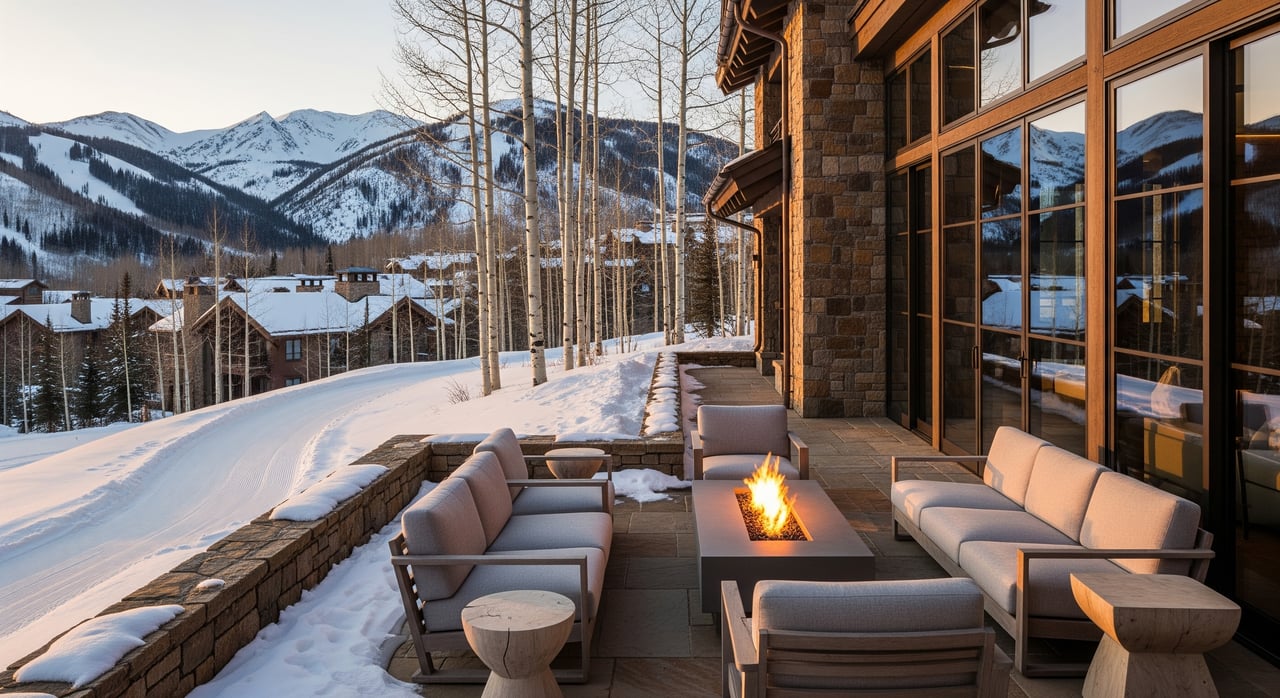
Beaver Creek offers a high proportion of luxury ski-in/ski-out condos, townhomes, and nearby single-family homes. Architecture often features lodge-style stone and timber, and many developments operate like full-service resorts with amenities on site.
Vail Village is more varied and historic in feel. You will find older and newer buildings, from compact studios and one-bedrooms to large penthouses and townhomes. Some legacy buildings may have smaller footprints or need renovations, while newer construction can be very high-end and contemporary.
Pricing spreads differ. Fully serviced, slopeside Beaver Creek properties often command a premium for turnkey convenience and amenities. Vail Village has a wider range across the spectrum, from entry-level condos in older buildings to some of the most iconic and expensive residences in the mountains. Since pricing moves fast, review up-to-date data with your advisor and evaluate each building’s services and condition.
HOA and service models
You will see three broad models:
- Full-service condo-hotels. Common in Beaver Creek and in select Vail Village buildings, these offer front desk and concierge, housekeeping options, ski valets, on-site management, and centralized utilities. HOA fees reflect hotel-style staffing and amenities.
- Standard or self-managed HOAs. More common in older Vail Village buildings, these focus on exterior maintenance, snow removal, insurance, and reserves, with fewer staffed services.
- Mixed models. Some developments allow you to opt into third-party rental and management programs rather than have the HOA operate rentals directly.
What fees cover. Full-service HOAs typically include staffing, common area utilities, building insurance, snow and grounds, pool and spa, fitness upkeep, and reserves. Lower-service HOAs focus on maintenance, insurance, snow, and reserves with fewer amenities.
How to choose. If you want lock-and-leave convenience with minimal logistics, a full-service Beaver Creek property can fit well. If you prefer lower carrying costs and more direct control over renovations or rentals, an older or self-managed Vail Village building may suit you, subject to rules and town licensing.
Dining, energy, and recreation
Vail Mountain is one of North America’s largest ski areas with famous back bowls and varied terrain. It draws an international crowd and hosts year-round events. For mountain and resort details, explore Vail Mountain’s official site.
Beaver Creek offers a curated, high-service resort experience with groomed runs and village programming like ice skating and concerts. The scale is more contained, with a calm, polished feel. See village activities and services on the Beaver Creek resort site.
Dining and nightlife vary. Vail Village has deep restaurant options, late-night spots, and a busier après scene. Beaver Creek leans toward upscale lodge dining and relaxed, family-oriented venues.
Both areas shine year-round. You can hike, bike, and enjoy festivals in every season. Vail tends to host larger events and has extensive trail networks. Beaver Creek focuses on easy access to alpine activities with resort programming that keeps logistics simple.
Short-term rentals and rules
Both markets support rentals, but details matter. Vail Village often achieves high occupancy due to village walkability and event-driven demand. Beaver Creek can deliver premium nightly rates for full-service, ski-in/ski-out units that appeal to guests seeking a resort experience. Your net yield will depend on building rules, HOA fees, management costs, and local taxes.
Licensing and taxes are required. The Town of Vail has defined short-term rental registration and lodging rules. Review current requirements through the Town of Vail’s official site. Properties in Eagle County and the Town of Avon also require registration and collect lodging or accommodation taxes; check county-level details on Eagle County’s website.
HOA and building policies vary widely. Some buildings prohibit short-term rentals entirely. Others run hotel-style rental programs, while many allow owners to choose an outside manager. Always review CC&Rs, rental policies, and any deed restrictions before you write an offer.
Compliance matters. Both Vail and Beaver Creek areas enforce lodging tax collection and rental rules. Noncompliance can lead to fines. Build compliance processes into your management plan and budget.
Which location fits your goals
Your best fit depends on how you want to use the property and how much service you want.
- Priority: turnkey, high-service living with ski-in/ski-out access. You may lean toward Beaver Creek’s full-service properties and curated village experience.
- Priority: broad dining, nightlife, and a lively village scene. Vail Village likely offers the variety you want, along with walkability to lifts and shops.
- Priority: rental control and occupancy volume. Vail Village has a larger guest pool across price points, but you must navigate town licensing and building-level rules.
- Priority: privacy and a single-family home. Beaver Creek and its adjacent neighborhoods include many single-family options with a mountain estate feel. Vail also has neighborhoods, but the village core is more condo-centric.
Due diligence checklist
Use this quick list to compare specific buildings and units:
- Confirm town or county short-term rental licensing, registration, and tax obligations for the exact address.
- Obtain HOA CC&Rs and rental rules; ask about any required rental program participation and fee structure.
- Review the HOA budget, reserve study, special assessments, and utility inclusions.
- Confirm parking, owner storage, ski lockers, and any valet or shuttle services.
- Evaluate in-building amenities, staffing hours, and service levels.
- Request historical rental data, comparable listings, and calendars when available.
- Ask about renovation history and upcoming capital projects.
- Check travel time patterns to the property during peak weekends and storms.
A simple decision guide
If you want a refined, ease-first resort experience and accept higher HOA costs for services, Beaver Creek is often the clearer match. If you want a big-village feel with lots of dining and a wider spread of building types and price points, Vail Village tends to deliver.
Ready to compare buildings, run rental numbers, and tour properties? Work with a local advisor who knows micro-locations, HOA profiles, and management models across the valley. Jeff McAbee offers boutique, high-touch guidance backed by Berkshire Hathaway HomeServices resources. Schedule a consultation to map your goals to the right village, building, and floor plan.
FAQs
Which area is easier to reach for second-home owners?
- Eagle County Regional Airport is closest to both; plan about 20 to 30 minutes to Beaver Creek and 30 to 45 minutes to Vail Village, with I‑70 conditions monitored via CDOT travel advisories.
How do HOA services differ in Beaver Creek vs. Vail Village?
- Beaver Creek has more full-service, hotel-style buildings with concierge and amenities, while Vail Village has a mix including many standard HOAs with lower staffing and fees.
What should I know about short-term rental rules in Vail Village?
- You must register and comply with local lodging rules and taxes; review current requirements through the Town of Vail’s official site, and confirm your building’s CC&Rs.
Can Beaver Creek properties be rented short term?
- Many can, but rules vary; some operate under resort or hotel management programs, while others allow owner-selected managers. Always verify the HOA’s rental policy.
Which location tends to rent better in winter for investors?
- Vail Village often posts strong occupancy given its walkability and events, while Beaver Creek can achieve higher nightly rates for luxury, ski-in/ski-out units; results depend on unit type and management.