Thinking about renting out a Vail Village condo but not sure where to start? You want strong winter bookings, happy guests, and a clean compliance path without surprises. In this guide, you’ll learn the key basics that matter in Vail Village: demand patterns, property types, amenities that move the needle, management options, and the compliance checkpoints you should verify. Let’s dive in.
Vail Village demand at a glance
Vail Village is a seasonal market. Winter is the primary peak, with many travelers prioritizing lift access, ski storage, and premium service. Summer brings solid secondary demand thanks to outdoor recreation and events. Shoulder seasons tend to be slower with softer rates.
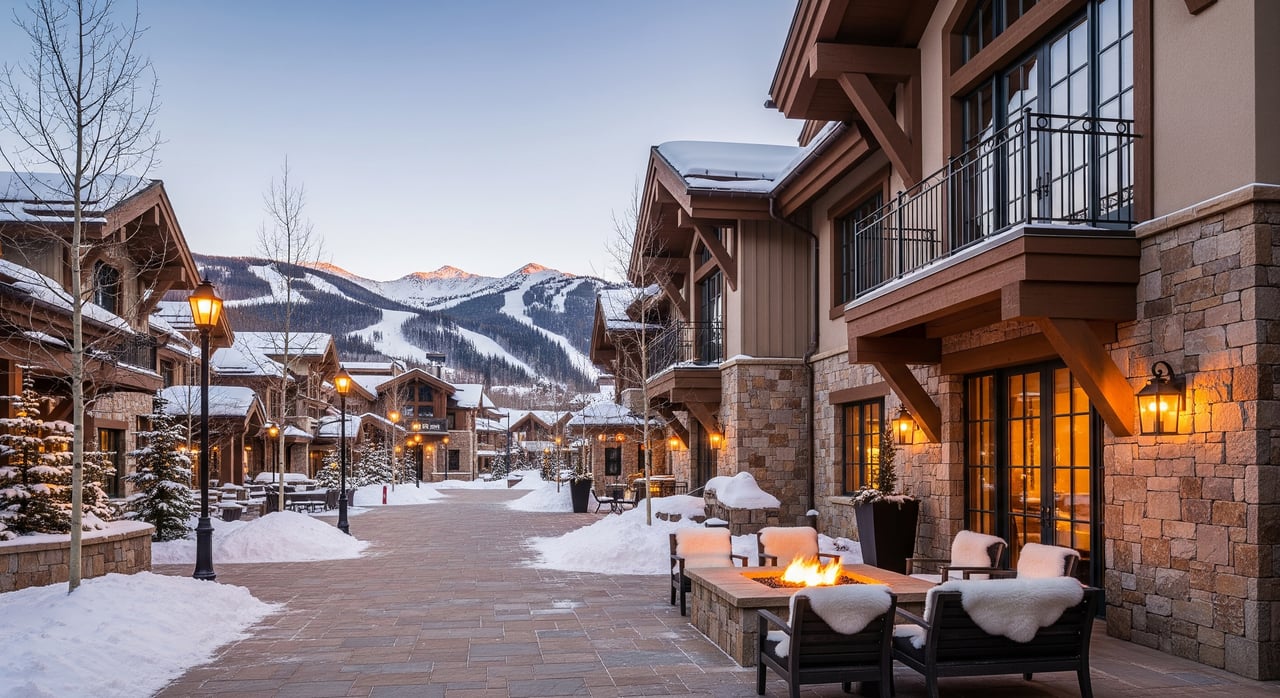
Your typical guest mix includes ski travelers and families, weekenders from the Front Range, and repeat higher-end leisure visitors. Expectations are elevated for cleanliness, concierge-style support, and seamless logistics. Proximity to lifts, pedestrian access, parking or valet options, and views can materially influence your nightly rates and occupancy.
Many owners list on major booking platforms or engage local property managers. If you want building-specific performance metrics, use dedicated short-term rental analytics tools or local market reports for occupancy, seasonality, and pricing guidance.
Property types and performance
Village condos in multi-unit buildings
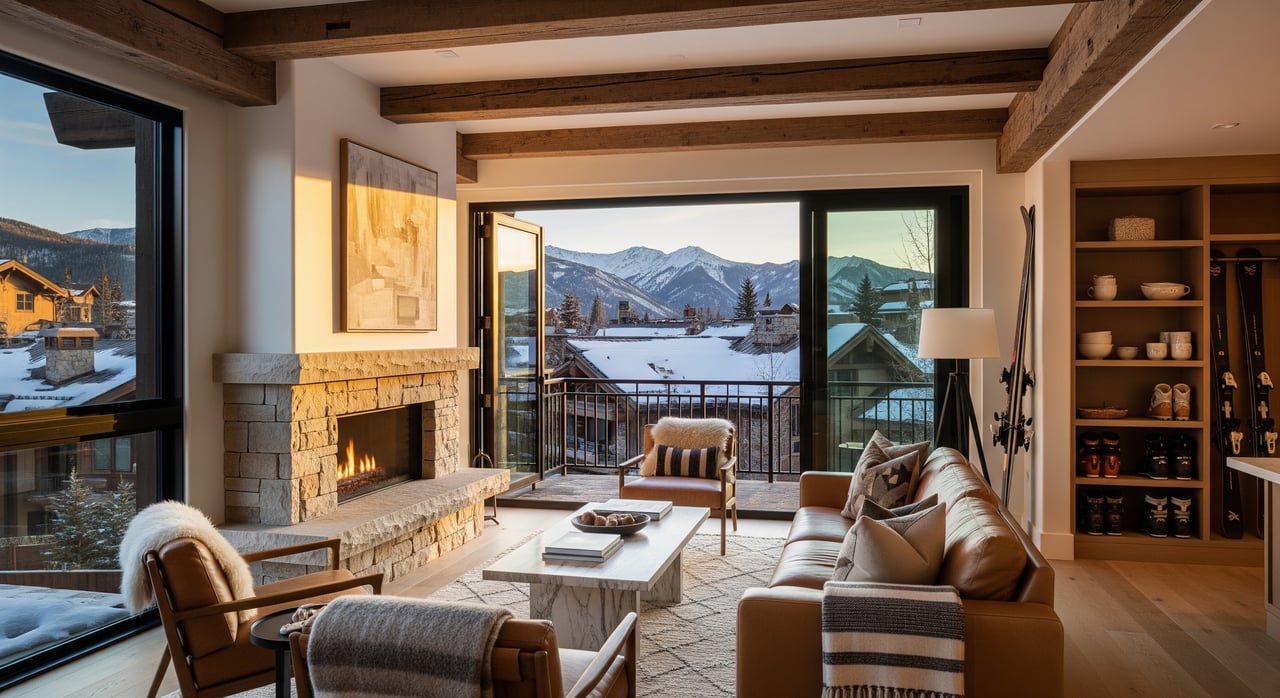
Most short-term rentals in Vail Village are condos in multi-unit buildings. HOA rules are often decisive, so verify minimum stay rules, registration needs, or caps. Units with in-unit laundry, full kitchens, and ski storage typically outperform studio-style units without those features.
Dedicated or on-site parking can set a unit apart. Secure entry and straightforward access help reduce guest friction. If a building has a clear path to short-term rental compliance, that is a meaningful advantage.
Condo-hotel units
Some buildings operate as condo-hotels with optional front desk programs. These programs can include housekeeping, reservations, and guest services. They often carry higher HOA or management fees and may reduce owner control, but they can deliver consistent bookings with premium services.
Before you buy, review the program contract to understand fees, usage rules, and any revenue-sharing structures. Confirm whether independent management is allowed and what that means for access to building services.
Fractional or deed-restricted units
Fractionals, timeshares, or deed-restricted units can have very different rental rights. Short-term rentals may be limited or prohibited. Confirm title and any deed restrictions early to avoid a poor fit with your rental plan.
Parking and access considerations
Parking is limited within the Village and is highly valued. Dedicated or assigned parking and secure ski storage can justify higher nightly rates. If parking is not available, plan for clear guest guidance on shuttles, valet, or public parking to avoid negative reviews.
Amenities that drive bookings
High-impact essentials
- Proximity to lifts or easy village access
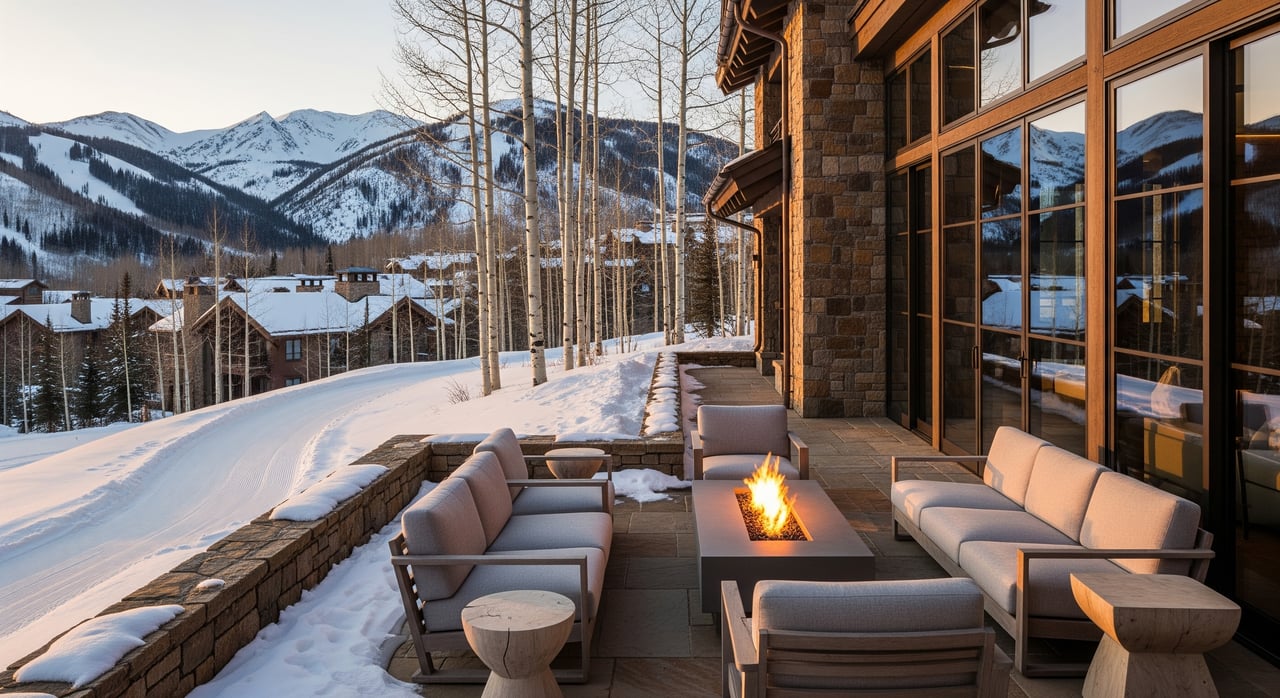
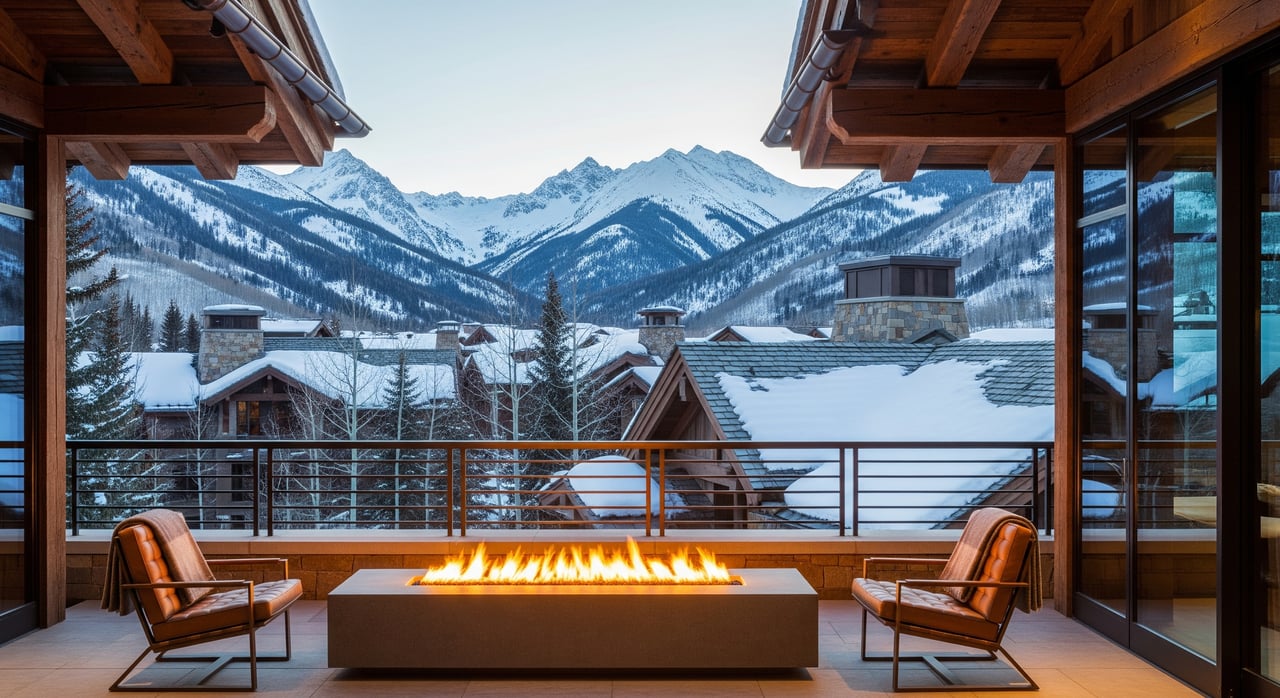
- Hot tub or spa access, fireplace, and scenic views
- In-unit laundry and reliable high-speed internet
- Dedicated or on-site parking
These features increase both booking rate and guest satisfaction. In Vail Village, convenience and comfort are the priority. The closer you are to the lifts and the more practical your amenities, the better your results.
Service-based extras
- Concierge-style support or a responsive local contact
- Housekeeping options and linen services
- Grocery delivery, chef services, and transfer coordination
Vail guests often expect hotel-like service. Offering a clear pathway to these services can support premium pricing and repeat stays.
Maintenance and insurance implications
Hot tubs, fireplaces, and heating systems enhance appeal but require consistent upkeep. Plan for inspections, seasonal maintenance, and higher utility planning during peak winter. Make sure your insurance explicitly covers short-term rental activity and aligns with your HOA and local requirements.
Management models that work
Self-manage
Self-management can keep recurring fees down. You control pricing, guest communication, and operations. This model fits owners who live locally or have prior hospitality experience.
Daily tasks include listing management, calendar sync, guest support, cleaning and laundry coordination, and routine or urgent maintenance. You also need a reliable vendor network for quick-turn solutions.
Co-host or hybrid support
A local co-host can handle on-the-ground tasks while you manage pricing and marketing. This model balances cost and control. It is a good step up if you want help with turnovers, inspections, and guest issues during peak season.
Full-service property manager
A professional manager handles pricing, distribution, 24/7 guest support, cleaning, and maintenance. Fees are higher but can improve performance and reduce your workload. In Vail’s high-service environment, many owners choose full-service support for consistency and scale.
Condo-hotel program
If your building offers a hotel program, it may provide predictable bookings and built-in services. Expect program rules and fees that limit flexibility. Review the fine print and compare performance to outside management options.
Financial responsibilities
- Collect and remit applicable lodging, sales, and use taxes
- Budget for HOA dues, insurance, cleaning, and maintenance
- Account for management fees and seasonal staffing needs
- Reserve capital for repairs and potential special assessments
Compliance checkpoints in Vail
Short-term rental rules change, so verify requirements with the Town of Vail, Eagle County, the Colorado Department of Revenue, and your building’s HOA. Common items include STR licensing or registration, business licensing, lodging tax remittance, and safety compliance. Enforcement tends to focus on operating without required licenses, failing to remit taxes, violating HOA rules, exceeding occupancy limits, and repeated noise complaints.
Typical compliance items to confirm:
- Town STR license or registration, if required
- Local lodging tax, state sales tax, and any county tax remittance
- Safety standards such as smoke and CO detectors, visible unit number, egress, and posted info
- Business license, occupancy limits, and quiet hours disclosure
- HOA rental rules, notice, or permits
Document everything and save it in a shared owner file. Clear house rules, parking details, trash instructions, and quiet hours reduce complaints and protect your license.
Make your condo rental-ready
Use this practical checklist to prepare a Vail Village condo for consistent bookings.
Documentation and legal
- Confirm title and any deed restrictions related to rentals
- Obtain required STR license or registration and tax accounts
- Collect HOA rental rules and building contacts
- Secure short-term rental insurance or an appropriate commercial policy
Safety and code basics
- Working smoke and CO detectors and fire extinguisher
- Posted evacuation plan and emergency contacts
- Clear egress and visible unit number
Guest experience and operations
- Reliable high-speed internet and simple streaming setup
- Keyless entry and clear check-in and check-out instructions
- Accurate parking, shuttle, and ski storage details
- Clean, hotel-quality linens and stocked kitchen basics
- Local guidebook with house rules, trash and recycling, and emergency info
Maintenance and services
- Pre-winter checks for heating, plumbing, and fireplaces
- Snow or ice plan if any exterior responsibilities fall to you
- Vendor list for emergency repairs, including plumber, electrician, and locksmith
- Backup cleaning crew for peak turnover days
Financial and pricing setup
- Decide on a management model and sign agreements
- Set up bookkeeping for income and taxes
- Create a reserve for capital repairs and assessments
- Integrate calendar and pricing tools to avoid double bookings
Avoid common pitfalls
- Buying without clear HOA rental documents
- Overlooking licensing or lodging tax registration
- Assuming parking is available without verification
- Operating with insufficient insurance coverage
- Ignoring neighbor relations, noise rules, or occupancy limits
Plan for guest communication and post-stay follow-up. A professional, responsive approach builds reviews and repeat business.
Your next steps
The strongest STR results come from choosing the right building, verifying HOA and licensing fit, and aligning amenities with guest expectations. Gather HOA documents, prior rental performance if available, and current licensing and tax requirements. Compare management options and model your net income with realistic fees and seasonal patterns.
If you want help narrowing to buildings that fit your rental goals, reviewing HOA and compliance details, or mapping out an onboarding plan, connect with Jeff McAbee. You will get high-touch guidance, local nuance, and a clear path to a rental-ready condo in Vail Village.
FAQs
What are the busiest seasons for Vail Village STRs?
- Winter is the primary peak for bookings and rates, with summer as a strong secondary season and slower shoulder periods.
Do I need a license to run a short-term rental in Vail?
- You should verify current Town of Vail requirements, which often include STR licensing or registration, business licensing, and lodging tax remittance.
Which amenities most increase nightly rates in Vail Village?
- Proximity to lifts, dedicated parking, hot tub or spa access, a fireplace, in-unit laundry, and reliable high-speed internet are top value drivers.
Is a professional manager recommended in Vail Village?
- Many owners choose full-service management for 24/7 guest support and premium service levels, while others use co-hosts or self-manage for more control and lower fees.
How do HOA rules affect short-term rentals in Vail Village?
- HOA documents can set minimum stays, caps, or bans, so obtain the CC&Rs and rules early and confirm any registration or notification requirements before you buy.
What insurance do I need for a Vail Village STR?
- Most standard policies exclude STR use, so you will likely need a short-term rental endorsement or a commercial policy that meets HOA and local requirements.