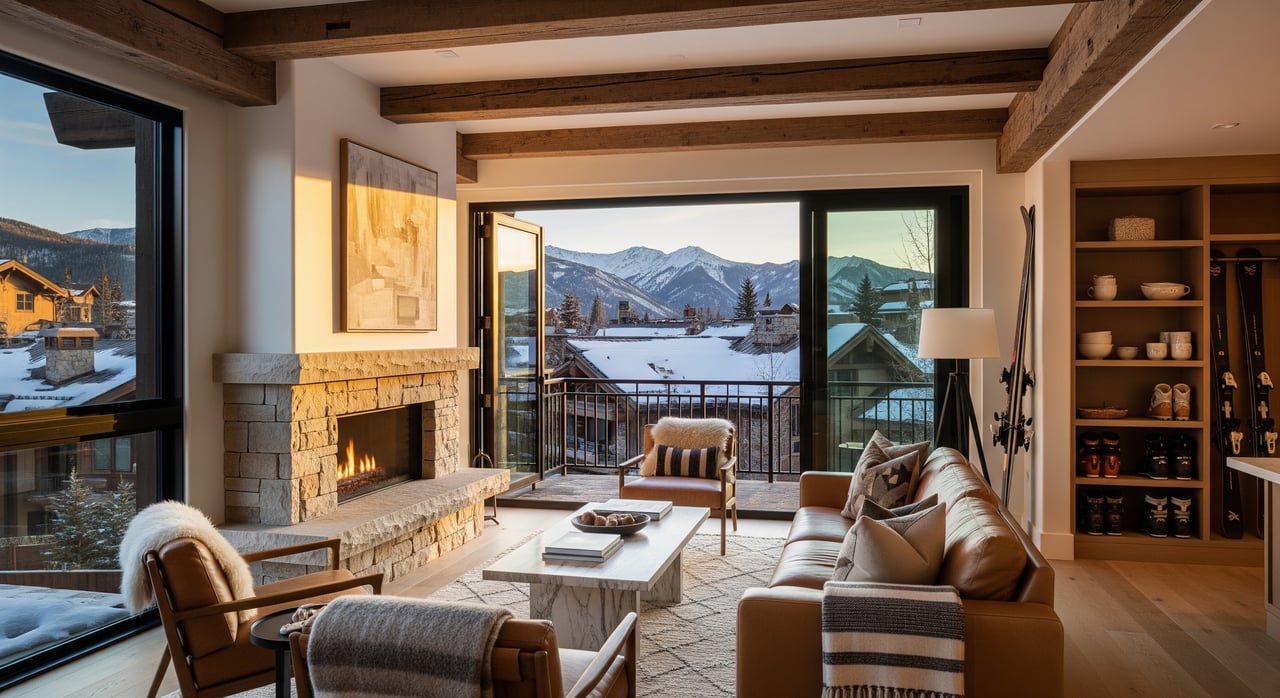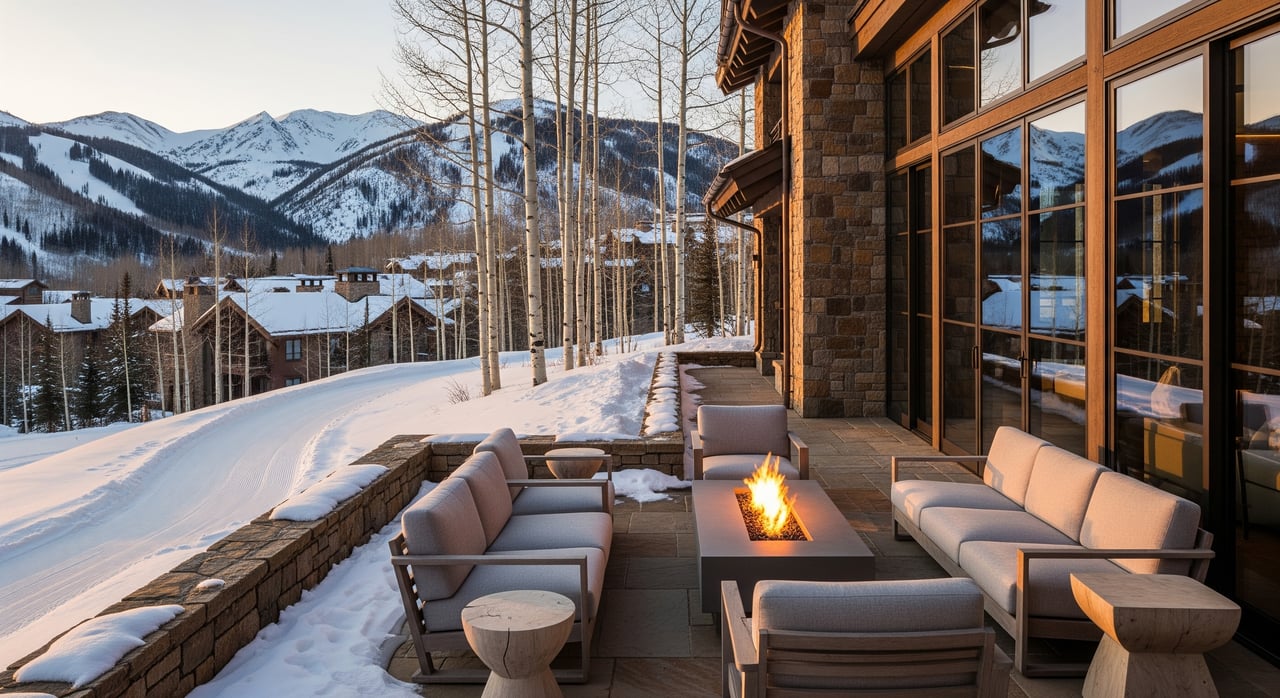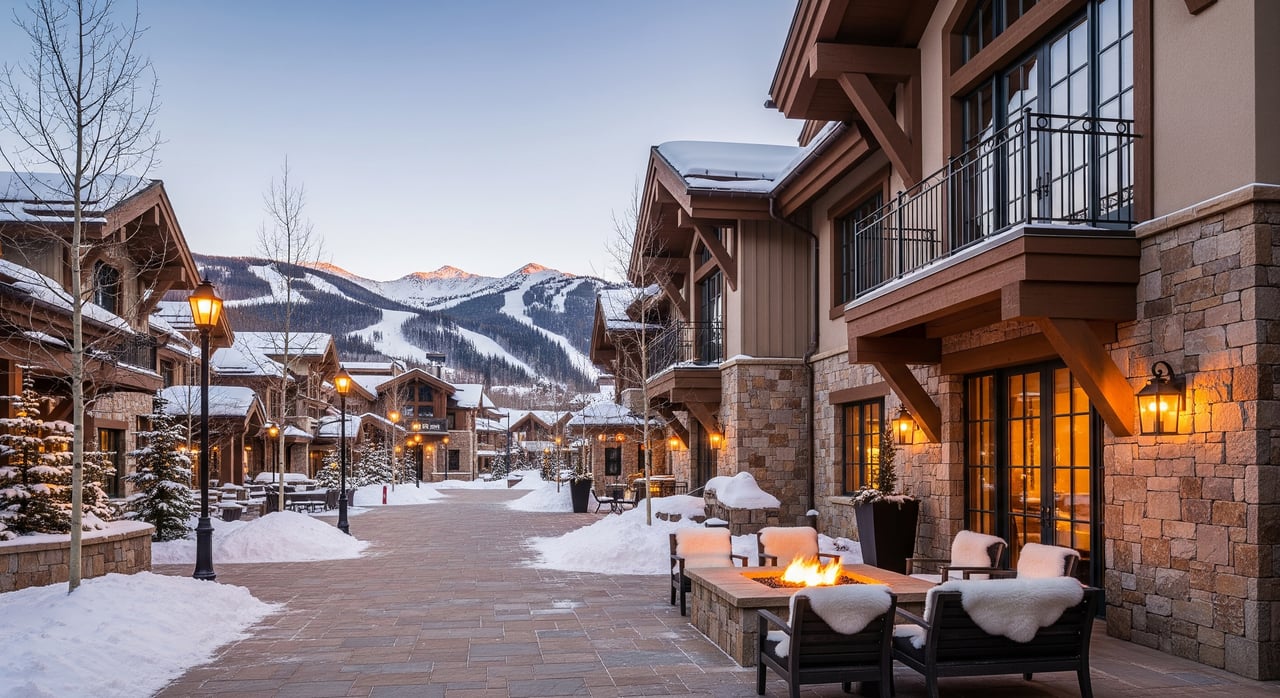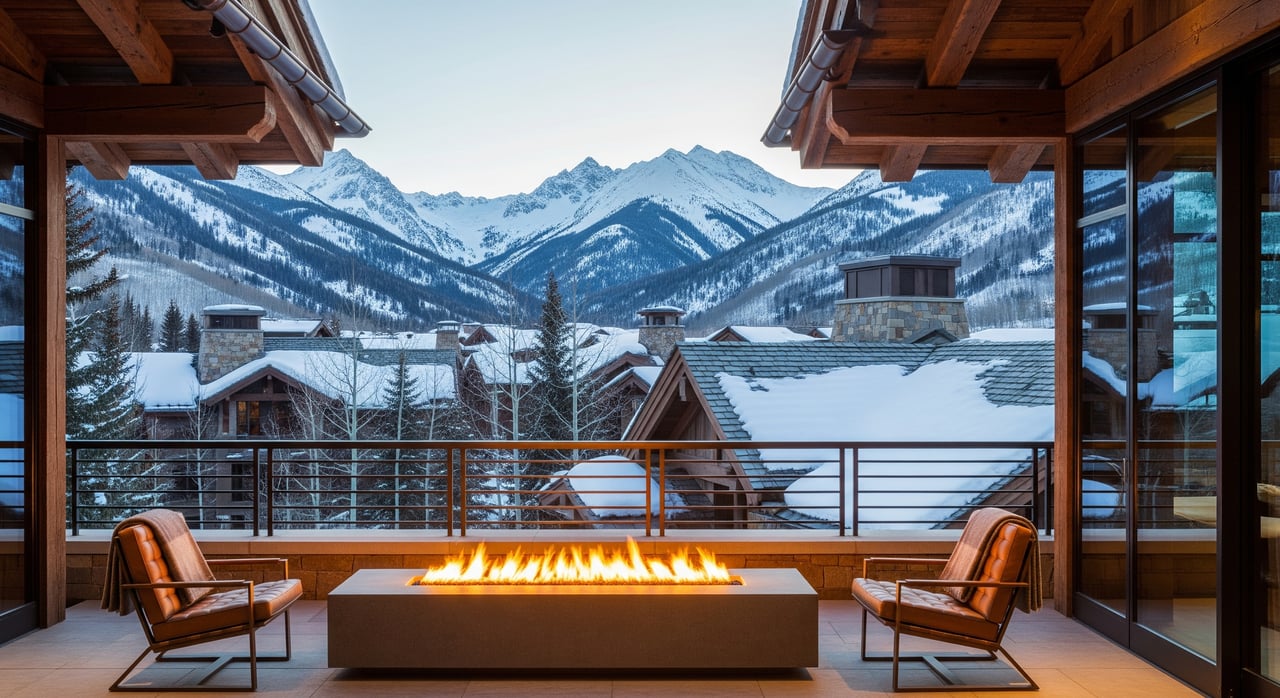
Is now a smart time to buy a second home in the Vail Valley, or should you wait for more options and softer prices? If you are weighing a purchase for lifestyle, family time, or rental income, you are not alone. Many out-of-state buyers are asking the same questions. In this guide, you will learn what drives demand here, how Vail Village and Beaver Creek differ, when inventory tends to appear, and what to consider if you plan to rent. Let’s dive in.
What drives demand in the Vail Valley
The Vail Valley’s appeal starts with lifestyle. You get high-quality ski terrain, lift proximity, and year-round recreation like biking and hiking. A robust calendar of festivals and events keeps the villages active in summer, which supports demand beyond winter. Most buyers prioritize family use and access to amenities over pure investment.
Remote and hybrid work also changed the picture. Mobility from 2020 to 2022 boosted second-home interest across resort markets, including the Vail Valley. While some national indicators softened after that period, areas with tight supply and strong amenities have stayed relatively resilient.
Limited new development puts a floor under supply. Zoning, conservation areas, and careful design and permitting processes restrict how much new product can be built. That scarcity supports premium pricing in the best micro-locations, especially true slopeside and village-core properties.
Access matters for out-of-state owners. Proximity to Eagle County Regional Airport and shuttle or ground connectivity to Denver make weekend trips more realistic. Seasonal flight patterns into the valley can influence how buyers plan owner use and rentals.
For investor-owners, rental demand is a meaningful factor. Short-term rental performance varies by micro-market and season. Occupancy and average daily rates spike in winter, stay healthy in summer, and dip in spring and fall. Building rules, management costs, and location near lifts or village amenities drive the numbers you will see.
Vail Village vs Beaver Creek
Vail Village snapshot
Vail Village delivers a classic pedestrian experience with a historic core, boutique lodging, and restaurants just steps from the lifts. Inventory leans toward smaller condos and alpine units, many of them renovated. The premium here is walkability and true village character. Ownership structures vary, and some buildings include on-site management agreements or specific rental policies.
Beaver Creek snapshot
Beaver Creek is a master-planned resort community with a family-focused feel, engineered plazas, and a mix of larger condominiums, townhomes, and luxury single-family homes. Many properties are purpose-built for vacation use, with full-service resort offerings and professional rental programs. Parking and vehicle access can be simpler than in the pedestrian core of Vail Village.
Which fits your goals
- You want a walk-to-everything lifestyle and a classic village vibe: prioritize Vail Village, especially true slopeside or core village buildings.
- You want larger, newer product with turnkey services and family-friendly amenities: focus on Beaver Creek and its resort-managed options.
- You value predictable rental operations: Beaver Creek’s professional programs may streamline management. Vail Village can perform very well, but building-level rules vary and require careful review.
- You care most about long-term liquidity in the village core: micro-location near lifts and main plazas typically commands higher prices per square foot.
Seasonality and inventory cycles
How demand moves through the year
Winter is the peak season for both owner use and rentals. Booking and visitation center on ski season from late November into early April. Summer is the second season, supported by outdoor recreation and events from June through September. Spring and fall are shoulder months, so owner stays and rentals usually taper off.
When listings tend to appear
Many sellers list in late spring and summer. It is easier to show properties when travel is simple and construction or renovation can take place before the next winter. Winter months often see fewer new listings. Buyers who are comfortable transacting during snow season may face less competition, but they will also see fewer choices.
Liquidity and pricing sensitivity
Well-located, premium units tend to move quickly. Properties with higher operating costs, stricter rental rules, or less convenient layouts can sit longer. If a property is unique, slopeside, or turnkey, it can still sell fast in any season.
Smart timing for your use case
If your goal is personal enjoyment with occasional rentals, prioritize access, convenience, and owner-use flexibility. Look for buildings with rental rules that preserve personal stay windows. Consider storage, parking, and village access that make last-minute trips easy.
If rental income is a key objective, focus on proven performers. Seek properties with strong historic occupancy, favorable HOA rules, lift or village proximity, and straightforward parking and guest logistics. Price carefully for shoulder months, and budget for professional management fees and housekeeping.
If you are watching for more selection, expect more options to appear in late spring and summer. Even then, the best-priced, best-located listings can move quickly. Staying ready with financing or funds and a clear brief will help you act when the right property appears.
Short-term rentals: what to know
Short-term rental performance is seasonal. Winter and summer tend to be revenue peaks, while spring and fall often show lower occupancy and rates. Your building’s HOA and any condo-hotel rules can be more important than general county policies, so verify those first.
Local jurisdictions in the valley require registration and lodging tax collection for STRs. Rules differ by town or neighborhood and can change. Professional on-site or third-party managers are common and can streamline operations, but fees will reduce net income. If revenue matters to you, request historic rental statements from sellers and compare building-level policies before you write an offer.
Cost and logistics to plan for
Mountain ownership often carries higher operating costs than non-resort markets. You should plan for HOA dues, utilities suited for winter climates, routine maintenance, insurance, and turnover cleaning. If you choose a full-service building, expect services and amenities to be reflected in HOA costs.
Parking and access vary widely. Some village-core buildings prioritize pedestrian access with limited parking. Others provide garages, valet, or shuttle systems. These logistics affect both owner convenience and guest satisfaction, which can influence rental performance and resale.
Quick buyer checklist
- Confirm the HOA or building’s short-term rental policy before you make an offer.
- Ask for historic rental performance and occupancy records if income is a factor.
- Verify parking, owner entry, storage, and any deed restrictions that could impact future use or resale.
- Check with local permitting offices for the current STR registration process and lodging tax requirements related to the property.
- Build a true ownership budget that includes off-season maintenance, management fees, and housekeeping.
- Align timing with your goals. If you plan to use the home in winter, secure a property before peak season. If you want more selection, monitor late spring and summer.
Your next steps
Define your primary goal: personal use, income, or a balance of both. This will shape which micro-locations and buildings fit best.
Narrow the field: compare Vail Village for walkability and village character with Beaver Creek for larger, newer, and often more turnkey product. Decide which tradeoffs you prefer.
Verify rules early: review HOA documents, rental policies, and management requirements before you fall in love with a listing.
Plan your budget: include HOA dues, utility estimates, insurance, management fees, and reserves for updates or seasonal wear and tear.
Be offer-ready: work with your lender on second-home financing if you are not paying cash. Resort markets move quickly for the best opportunities.
When you want a boutique, high-touch approach paired with the resources of Berkshire Hathaway HomeServices, connect with a local advisor who knows building-by-building details, rental implications, and timing across seasons. To align your search or prepare a property for market, schedule a consultation with Jeff McAbee.
FAQs
What drives second-home demand in Vail and Beaver Creek?
- Lifestyle access to skiing, year-round recreation, and village amenities, supported by limited new supply and convenient regional access.
How do Vail Village and Beaver Creek differ for buyers?
- Vail Village emphasizes walkability and classic village charm, while Beaver Creek offers larger, often newer properties with full-service and family-focused amenities.
When is the best time to find inventory in the Vail Valley?
- New listings typically rise in late spring and summer, while winter can bring fewer options but sometimes less competition.
What should I know about short-term rental rules in the valley?
- Policies differ by jurisdiction and by building, so verify HOA rules, registration steps, and lodging taxes for the specific property you are considering.
How do seasons affect rental income for second homes?
- Winter and summer are usually the strongest periods for occupancy and rates, with spring and fall producing lower demand and pricing.
What costs should I expect beyond the purchase price?
- Plan for HOA dues, utilities, maintenance, insurance, housekeeping, and property management if you intend to operate short-term rentals.