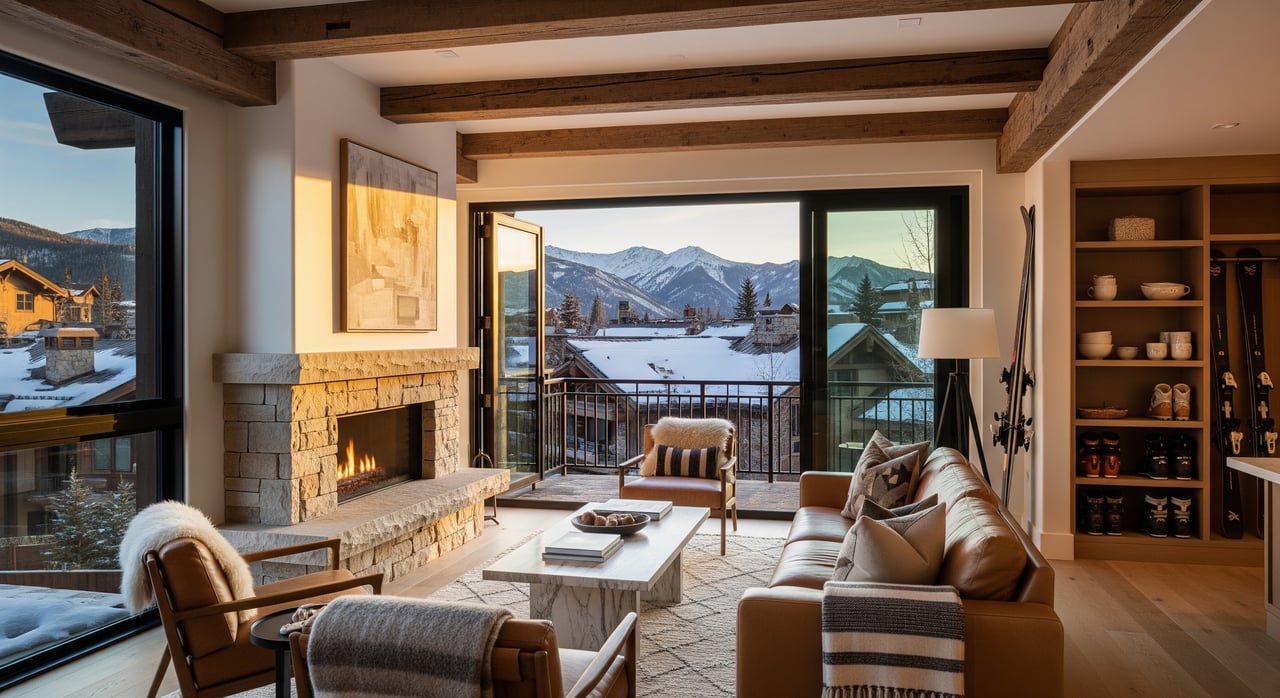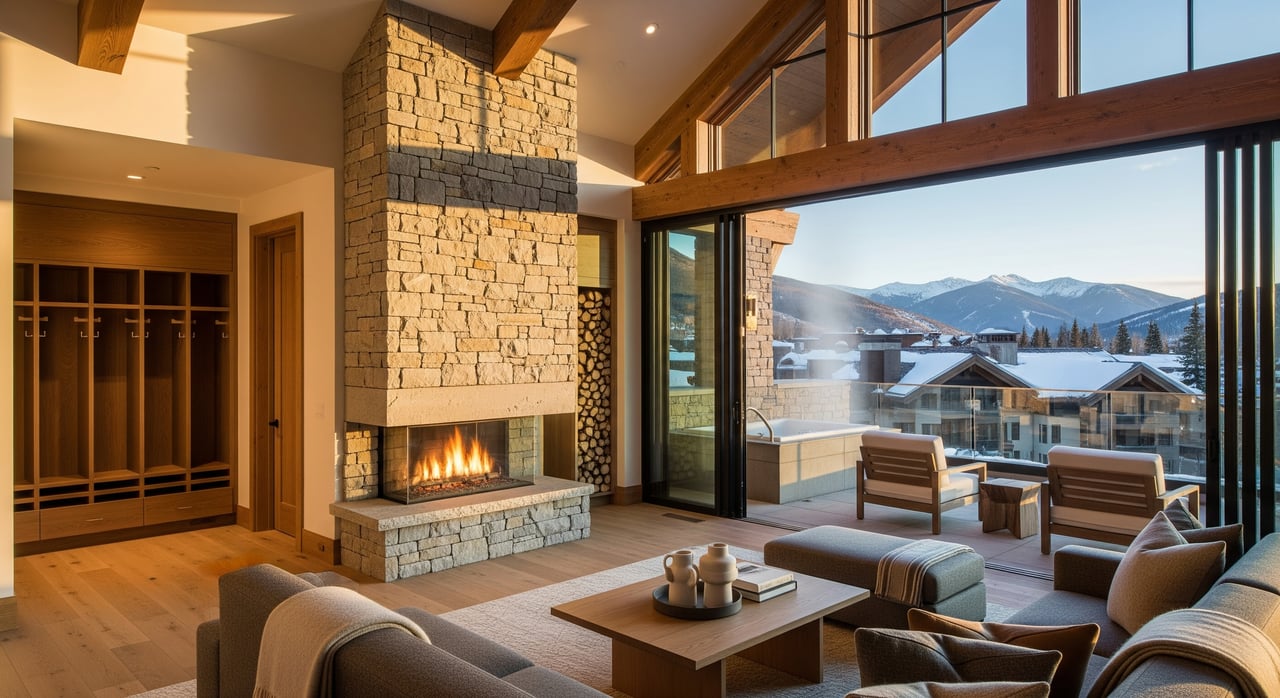
Shopping for a Vail Village condo and wondering which amenities truly move the needle? You’re choosing more than a floor plan — you’re choosing daily convenience, rental appeal, and long‑term ownership costs. In this guide, you’ll learn which features matter most in the village core, how they affect enjoyment and income potential, and what to verify in your due diligence. Let’s dive in.
Why amenities matter in Vail Village
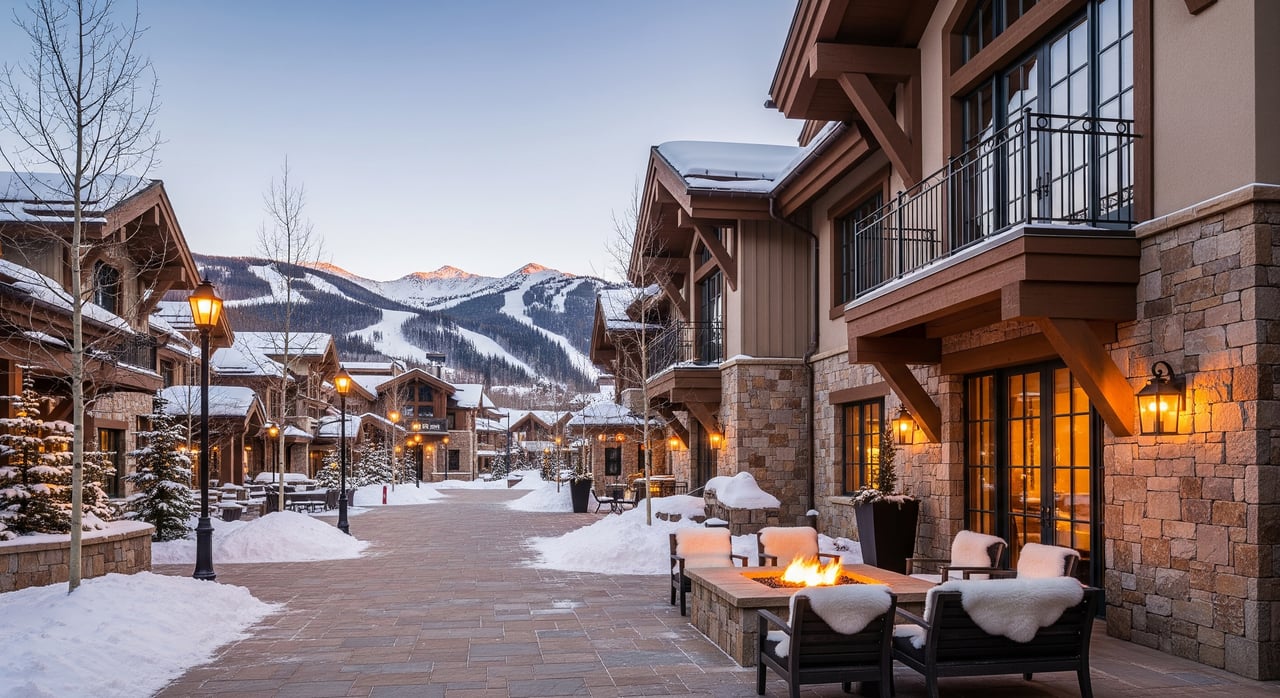
Vail Village is compact and walkable, which makes proximity to lifts, restaurants, shops, Gore Creek, and events a key driver of value. Because space and parking are limited, buildings that solve logistics with on‑site services often stand out. Demand is highly seasonal, with winter peak ski season and strong summer activity, so the right amenities can change by season. As you evaluate options, weigh owner comfort against investor metrics like occupancy, ADR, and reviews.
Top amenities to prioritize
Ski valet and ski storage
A staffed ski valet or secure lockers takes the hassle out of carrying gear and speeds your start to the day. Families and older owners especially appreciate dry boots and easy access to the slopes. For rentals, ski valet is a strong differentiator in winter and can support higher nightly rates and better reviews.
Due diligence checklist:
- Is the valet staffed 24/7, limited hours, or seasonal?
- Are lockers deeded to your unit or shared/common?
- Where is storage located relative to entries and lift access?
- Any policies on liability for damaged or missing gear?
- If “ski‑in/ski‑out” is advertised, verify the actual route and time to the lift.
Parking options and heated garages
Parking is scarce in the village core. Deeded or guaranteed on‑site parking — especially in a heated garage — saves time, avoids snow clearing, and is valuable for airport runs and summer trips. For rentals, included parking simplifies guest logistics and can boost conversion compared to buildings that rely on municipal lots.
Due diligence checklist:
- Is parking deeded or assigned by the HOA?
- Is it included in HOA fees or billed separately?
- Are spaces heated, and how is snow removal handled?
- Are guest spaces available, and how are they managed?
- Any size or height limits for vehicles?
- If valet parking is offered, what are staffing hours and per‑use costs?
Front desk, concierge, and 24‑hour services
A professional front desk can manage check‑in/out, reservations, deliveries, and security, which simplifies remote ownership. For short‑term rentals, onsite staffing often correlates with stronger guest satisfaction and smoother turnovers. Expect higher HOA fees for full‑service buildings and more limited convenience where staffing is partial or seasonal.
Due diligence checklist:
- What are desk and concierge hours, and are they year‑round?
- Which services are included versus paid (shuttles, luggage, ticketing)?
- How does the desk interface with rental programs and booking platforms?
- What are security, lost‑item, and incident response protocols?
Spa, fitness, pool, and hot tubs
On‑site wellness amenities add comfort, especially on non‑ski days or for multigenerational groups. Pools and hot tubs are frequent high points in guest reviews and can increase occupancy, ADR, and length of stay.
Due diligence checklist:
- Is the spa/fitness area HOA‑managed or leased to a third party?
- What are the hours, reservation policies, and capacity limits?
- Maintenance history: pool shell, heaters, filters, recent repairs.
- Are treatments offered on site, and how are they billed?
- Insurance coverage and liability for wet areas.
Balconies and outdoor space
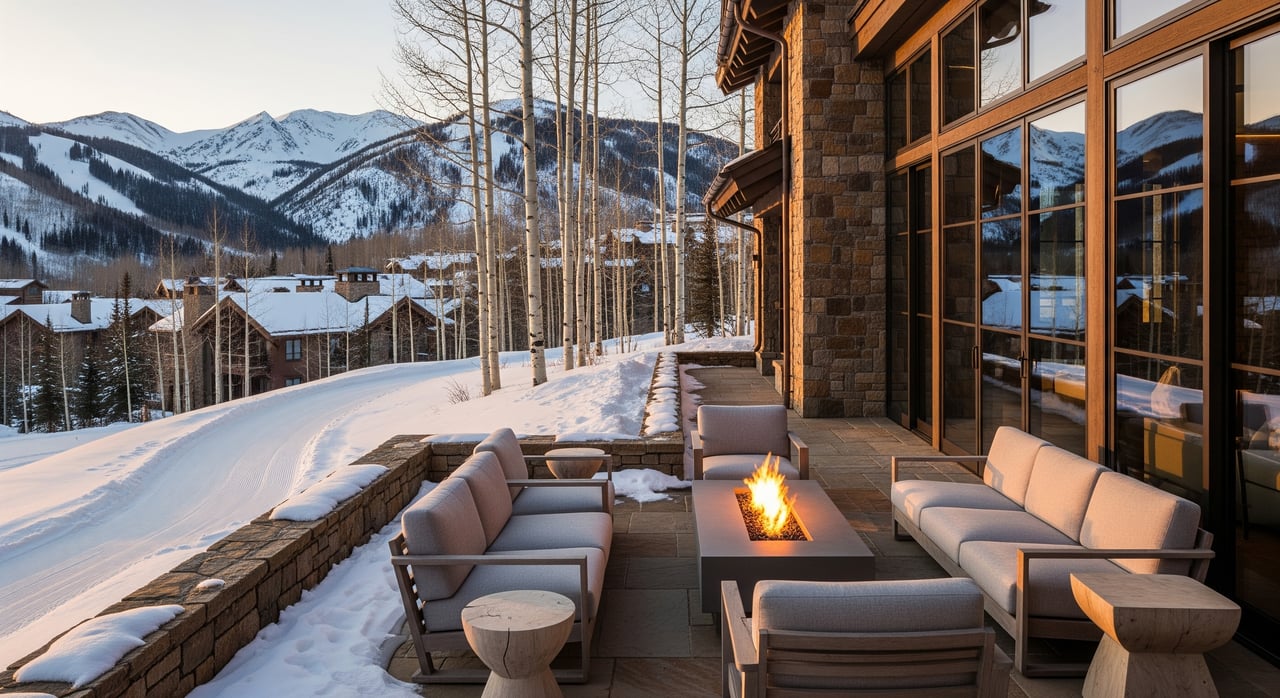
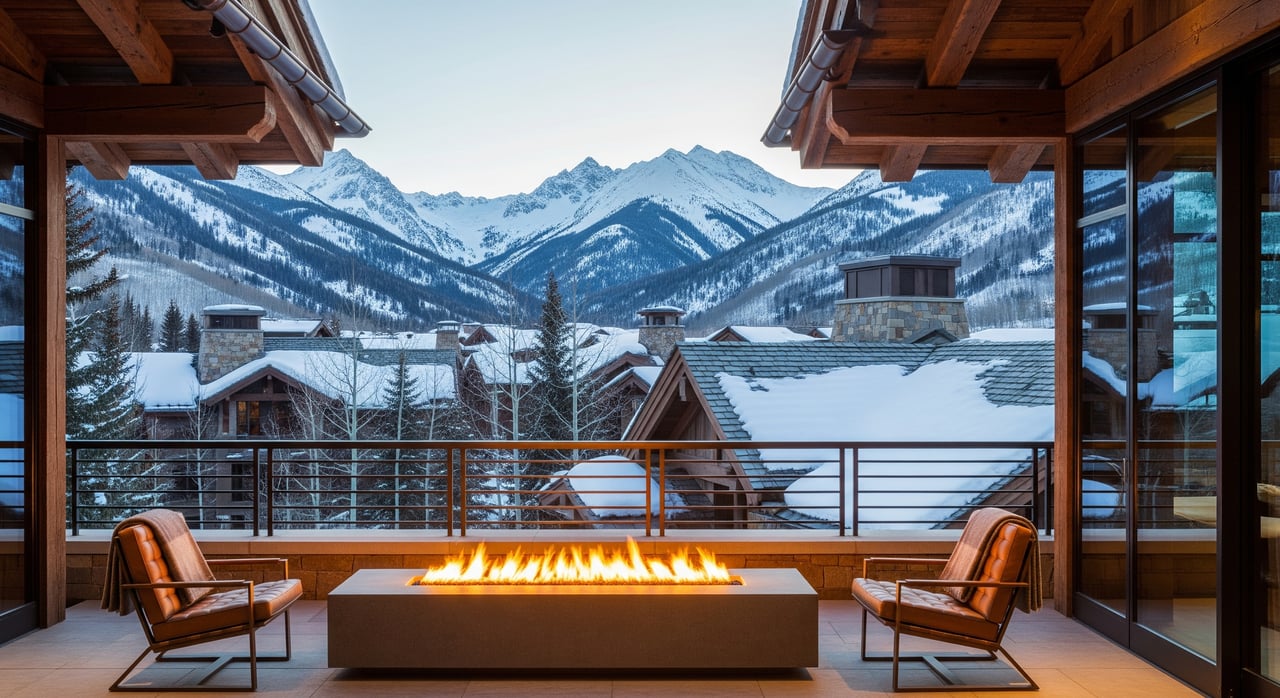
Private outdoor space is prized for views, morning coffee, and summer grilling. South‑facing balconies can extend usable months and improve natural light. For renters, a balcony or terrace can be a deciding factor among similar units.
Due diligence checklist:
- Are balconies deeded to the unit or common elements? Any use restrictions?
- Structural condition and last inspection or waterproofing work?
- Any history of water intrusion or repairs?
- Safety and rail height compliance with code.
- Potential noise from nearby public spaces or event venues.
Storage: unit, lockers, and bike rooms
Ample storage helps second‑home owners keep seasonal gear and personal items secure between visits. For rentals, proper gear storage reduces clutter and speeds housekeeping.
Due diligence checklist:
- What storage is deeded vs. allocated? Size and location?
- Security and access controls for storage rooms.
- Any fees for locker use?
- Does storage count toward square footage or remain a common element?
View corridors and orientation
Views of the Gore Range, ski runs, or lively village streets can enhance lifestyle and rental appeal. Direct mountain or lift views often command quicker bookings and better rates. South‑facing orientation brings more sun and quicker snowmelt.
Due diligence checklist:
- Confirm current line of sight and whether nearby lots are developable.
- Review town zoning, height limits, and any recorded view easements.
- Note sun exposure and privacy implications.
Complementary in‑unit features
Beyond common amenities, certain in‑unit features meaningfully affect both enjoyment and rental performance:
- In‑unit laundry versus shared laundry. Important for families and longer stays.
- Kitchen quality and bathroom count. Critical for group usability and reviews.
- Pet policies. Pet‑friendly units broaden your market but may add cleaning requirements and fees.
- Air conditioning. Increasingly expected in summer and heat events.
- Accessibility. Elevators and step‑free entries expand usability and guest reach.
Amenities, HOAs, and operating costs
Higher HOA fees often correspond to a more turnkey experience. Full‑service buildings commonly include front desk staffing, common‑area maintenance, snow removal, building insurance, exterior upkeep, elevators, basic cable/Internet, and access to pools or spas. Limited‑service buildings may keep dues lower but shift utilities and many services to owners. Review the financials to understand what you’re paying for and what you must handle yourself.
Key documents to review:
- Current HOA budget, profit and loss, and cash flow.
- Most recent reserve study and funding level.
- Recent special assessments or planned capital projects.
- Insurance coverage summary and deductibles.
Rental programs and service models
Staffing and management setups influence both guest experience and net income. Common models include on‑site HOA employees, third‑party property managers under contract, and hotel‑condo operators who run front desk, housekeeping, and rentals under a license agreement.
Considerations for each:
- On‑site staffing reduces owner logistics and usually improves guest satisfaction but increases HOA expenses.
- Third‑party management contracts should be reviewed for termination terms, revenue splits, and data transparency.
- Hotel‑condo models can feel most turnkey, especially when paired with ski valet and on‑site housekeeping.
Data to request from rental operators:
- Occupancy and ADR by month or season for the past 2–3 years.
- Gross revenue, management fees, and net income.
- Guest review scores and common complaints, especially about parking, noise, or cleanliness.
Insurance, safety, and local rules
Buildings typically insure common areas, while you carry an HO‑6 policy for interior finishes and personal property. Pools, hot tubs, and spas affect liability and may increase premiums, so confirm coverage specifics. Short‑term rentals in Vail and Eagle County require proper registration and lodging tax remittance; confirm current local rules, licensing, and who handles tax filings in your rental setup. Review code compliance for balconies, hot tubs, and elevators, including recent inspections.
Buyer due diligence checklist
Use this short list to keep your evaluation focused:
- HOA: current budget, P&L for 2–3 years, reserve study, insurance summary, board meeting minutes, planned capital projects.
- Rules: short‑term rental policy, pet rules, noise limits, balcony and grill policies.
- Rentals: program agreement, termination terms, occupancy and ADR history, net income, housekeeping standards, guest review themes, staffing hours for valet and front desk.
- Amenities: deeded parking and storage documentation, ski locker details, spa and pool maintenance logs, balcony condition and waterproofing history, HVAC and hot water system age.
- Regulatory: local short‑term rental licensing and lodging tax registration steps, plus any HOA rental restrictions.
Red flags to watch
- Low reserves in older buildings with major systems due for replacement.
- Ambiguous or restrictive rental rules that limit income potential.
- Uncertain or shared parking in a market with limited municipal options.
- Heavy reliance on seasonal staff without year‑round coverage when marketed as full‑service.
- Recurrent guest complaints about check‑in, storage, or hot water.
Match amenities to your goals
If you plan to use the condo often in winter, prioritize ski valet, heated parking, and secure storage to make each trip easy. For summer enjoyment, private outdoor space, AC, and creek or village proximity add daily value. If rental income matters, look for a professional front desk, on‑site housekeeping, spa and hot tubs, and reliable parking, then verify occupancy and ADR history to understand how those amenities translate to net income.
Ready to narrow your shortlist and verify the details that matter? Let’s align your lifestyle or income goals with the right building services and HOA profile. To discuss specific Vail Village options and due diligence, connect with Jeff McAbee.
FAQs
What Vail Village amenities most influence winter rentals?
- Ski valet or secure ski storage, a professional front desk for smooth check‑ins, heated parking, and hot tubs typically have the strongest winter impact on occupancy, ADR, and reviews.
How does on‑site parking affect resale and rentals in the village core?
- Guaranteed or deeded parking is scarce and valuable; it improves owner convenience and can increase booking conversion compared to buildings that rely on municipal lots.
Are high HOA fees always a negative in Vail Village condos?
- Not necessarily; higher dues often fund front desk staffing, wellness amenities, and utilities that create a more turnkey, hands‑off ownership and stronger guest experience.
What outdoor features matter for summer stays in Vail Village?
- Private balconies or terraces, south‑facing orientation for sun, proximity to Gore Creek and events, and air conditioning increasingly shape summer enjoyment and demand.
Which documents should I request before making an offer on a Vail Village condo?
- Ask for the HOA budget and reserve study, board minutes, insurance summary, rental program agreement and performance history, parking and storage deeds, and maintenance logs for pools or balconies.